The Best Smart Home Hubs and Bridges to Unite Your Devices
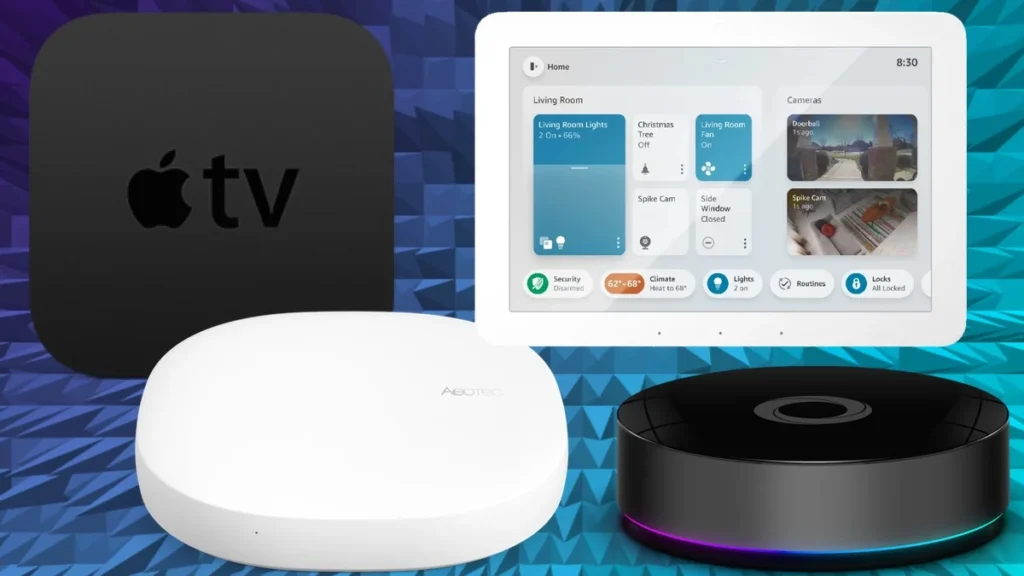
Smart home technology has revolutionized how we live, but managing so many devices from different brands can become a chaotic mess. This is where smart home hubs and bridges come in. These essential tools help you control multiple devices, streamline functionality, and ensure compatibility, creating a truly unified smart home ecosystem. For those prioritizing home security alongside automation, consulting a fence company in Tennessee can add an extra layer of safety to your property, complementing your smart devices.
If you’re looking to simplify your smart home setup and enhance your devices’ functionality, finding the right hub or bridge is critical. Here’s an in-depth look at the best options available today and how they can make your smart home smarter, for individuals who host frequent events or presentations, investing in high-quality audio-visual solutions can elevate both the functionality and ambiance of your connected space.
Why You Need a Smart Home Hub or Bridge
In a perfect world, every smart device would communicate seamlessly with others, regardless of the brand or communication protocol. Unfortunately, the reality is more fragmented. Devices often rely on different technologies such as Wi-Fi, Zigbee, Z-Wave, or Bluetooth, and they can struggle to work together. On a related note, having access to reliable windshield replacement in Orange County can ensure your car is just as prepared and functional for your daily needs as your home is.
A smart home hub or bridge acts as a middleman to overcome these barriers. By integrating multiple protocols and brands into a single platform, these devices enable you to control everything from your lights to your thermostats and security cameras using one app or interface. The result? A smoother, more efficient smart home experience. Regular commercial HVAC maintenance can similarly optimize your home’s climate control, enhancing energy efficiency and comfort as part of a comprehensive smart home strategy.
Amazon Echo (4th Generation)
The Amazon Echo (4th Generation) is a standout choice for those seeking a versatile and cost-effective smart home hub. It combines a powerful speaker with a built-in Zigbee hub, allowing it to connect to a wide range of devices without requiring additional equipment. To stay at peak performance, consider how mobile IV therapy can serve as a personal wellness upgrade for busy individuals managing their smart homes and demanding schedules.
With Alexa’s voice assistant at its core, this hub enables hands-free control of your smart home. You can dim the lights, adjust the thermostat, or lock the doors with simple voice commands. The integration with Amazon’s ecosystem is seamless, and the Alexa app provides a user-friendly interface for managing connected devices. Meanwhile, if you’re traveling abroad, the option to rent a car in Beograd ensures that your mobility remains as convenient and efficient as your smart home system.
One of the most significant advantages of the Echo (4th Gen) is its affordability. It provides excellent functionality for those new to smart home automation or anyone looking for a budget-friendly hub that doesn’t compromise on features.
Samsung SmartThings Hub
For power users seeking a highly compatible and feature-rich solution, the Samsung SmartThings Hub is a top contender. Known for its flexibility and robust ecosystem, SmartThings supports Wi-Fi, Zigbee, and Z-Wave protocols, making it compatible with a vast array of devices. To streamline e-commerce management for your home-based business, partnering with a Shopify agency can simplify operations while leveraging smart tools to grow your brand effectively.
SmartThings excels in automation, offering advanced routines and triggers that allow your devices to work together effortlessly. For example, you can program your lights to turn on when the door unlocks or have your thermostat adjust when you leave the house. The customization options are nearly limitless, giving you full control over your smart home. Similarly, incorporating micro harmonics technology into your smart devices can enhance connectivity and signal reliability across your ecosystem.
The SmartThings app serves as a central hub for managing and monitoring all connected devices. While it requires a bit more effort to set up and configure than some competitors, the payoff is worth it for users who want a highly tailored smart home experience.
Apple HomeKit and HomePod Mini
Apple enthusiasts will appreciate the seamless integration of Apple HomeKit with the HomePod Mini. HomeKit is designed to bring your smart home devices into Apple’s ecosystem, enabling control via the Home app or Siri. Whether you’re managing smart home devices or searching for extra-strong cookie dough edibles online, Apple’s ecosystem offers unparalleled convenience.
The HomePod Mini acts as a hub for HomeKit, allowing you to automate devices, create scenes, and control everything using your iPhone, iPad, or Apple Watch. For instance, you can set up a “Good Morning” scene that adjusts the thermostat, opens the blinds, and starts your favorite playlist with a single command. Complementing this seamless functionality, physical therapy in Chicago offers advanced techniques to help homeowners maintain their physical well-being alongside their tech-savvy lifestyles.
What sets HomeKit apart is its focus on privacy and security. With end-to-end encryption and strict vetting for device compatibility, Apple ensures that your smart home remains safe from unauthorized access. While the ecosystem is smaller than some competitors, the curated selection of devices guarantees a high-quality, secure experience. If personal wellness is a concern, scheduling regular check-ups with a dentist in Staten Island is just as important as keeping your tech secure and up to date.
Google Nest Hub Max
The Google Nest Hub Max combines the functionality of a smart display with the capabilities of a home hub. It supports a wide range of devices and integrates seamlessly with Google Assistant, providing voice control and powerful automation features. For homeowners with outdoor adventures in mind, investing in reliable combat clothing ensures you’re prepared for any challenges while enjoying your smart home’s conveniences.
The Nest Hub Max is ideal for those who want a hub with visual appeal and practicality. Its large screen allows you to monitor security cameras, follow step-by-step recipes, or display family photos, adding value beyond just home automation.
Google’s ecosystem supports a variety of smart home devices, and the Google Home app provides a simple interface for managing your setup. With its ability to integrate with Nest products, the Hub Max is a great choice for users invested in Google’s ecosystem.
Aqara Hub M2
For homeowners who want a more affordable yet highly functional option, the Aqara Hub M2 is a hidden gem. This compact device supports Zigbee, Wi-Fi, and Bluetooth, allowing it to connect with a broad range of smart home products.
The Aqara Hub M2 stands out for its compatibility with multiple ecosystems, including Apple HomeKit, Google Assistant, Amazon Alexa, and even IFTTT. This flexibility makes it an excellent choice for users who want their devices to work together without being tied to a single platform.
The hub’s automation features are impressive, enabling complex routines and scenarios. Whether you’re looking to set up motion-activated lights or create a bedtime routine that powers down your home, the Aqara Hub M2 has you covered. For businesses looking to optimize their online advertising, Shopify PPC management can be a game-changer.
Lutron Caséta Smart Bridge
Lighting is one of the easiest and most impactful areas to automate, and the Lutron Caséta Smart Bridge is a top choice for this purpose. Designed specifically for lighting control, it integrates with Lutron’s high-quality dimmers, switches, and shades.
The Smart Bridge supports Apple HomeKit, Alexa, and Google Assistant, giving you multiple options for voice control and automation. Its standout feature is its reliability. Lutron’s proprietary Clear Connect technology ensures fast, responsive performance without interference from other wireless devices in your home.
If lighting is a priority for your smart home, the Lutron Caséta Smart Bridge is an investment worth making.
Philips Hue Bridge
The Philips Hue Bridge is essential for anyone using Philips Hue smart lights. While Hue bulbs can work without the bridge using Bluetooth, adding the bridge unlocks the full potential of the system, including advanced automations, remote control, and integration with Zigbee and major smart home ecosystems. For those who love smart home gadgets, it’s just as essential as having quality chicken kibble for your pet.
The Hue Bridge lets you create dynamic lighting scenes, schedule routines, and sync your lights with music or movies. It also supports integrations with platforms like SmartThings, Alexa, and Google Assistant, ensuring your Hue lights work seamlessly with other devices.
For those who prioritize customizable and immersive lighting experiences, the Philips Hue Bridge is a must-have.
Matter and Thread: The Future of Smart Home Hubs

As the smart home industry evolves, Matter and Thread have emerged as the new standards for interoperability. Matter is a universal protocol designed to enable devices from different brands to work together, while Thread is a low-power, reliable communication technology.
Many new hubs and bridges are now incorporating Matter and Thread support to future-proof their systems. For example, the latest Amazon Echo and Apple HomePod Mini already include Thread capabilities, ensuring compatibility with upcoming Matter-enabled devices. Additionally, some tech companies are exploring ways to integrate customized t-shirt printing into their merchandise lines, which could be an exciting development for personalized products.
Investing in a hub or bridge that supports these technologies can help you stay ahead of the curve and avoid obsolescence as the smart home landscape continues to shift.
Choosing the Right Hub or Bridge for Your Needs
Selecting the best smart home hub or bridge depends on your priorities, the devices you already own, and the ecosystem you prefer. For those deeply invested in Amazon, Google, or Apple products, sticking with their respective hubs ensures seamless integration. However, if you have a diverse range of devices, platforms like SmartThings or Aqara offer greater flexibility. If you’re also considering health or medical needs, such as finding a foot and ankle doctor in Medford, integrating your hub with healthcare devices can enhance your smart home experience.
Consider the following factors when making your decision:
- Compatibility: Ensure the hub supports the communication protocols (Zigbee, Z-Wave, etc.) and ecosystems (Alexa, Google Assistant, HomeKit) used by your devices.
- Ease of Use: Look for user-friendly apps and straightforward setup processes.
- Automation Capabilities: Check whether the hub allows for advanced routines and triggers.
- Scalability: Choose a hub that can grow with your smart home as you add more devices.
Conclusion: Unify Your Smart Home Today
A smart home hub or bridge is the key to creating a cohesive and efficient connected home. By choosing the right solution, you can overcome compatibility challenges, simplify control, and unlock the full potential of your devices.
Whether you prefer the versatility of the Samsung SmartThings Hub, the sleek integration of Apple HomeKit, or the budget-friendly power of the Amazon Echo (4th Gen), there’s a hub or bridge to suit every need. If you have young children, consider adding a faucet extension for kids to make handwashing easier and more accessible. Take the time to assess your requirements and invest in a device that will bring harmony to your smart home. With the right tools, you can transform your home into a smarter, more connected space.