Hardware Encryption: The Future of Trusted External Memory?
As the world becomes increasingly digital, security and privacy have never been more important. From personal data to sensitive business information, protecting data is paramount. External memory devices, such as hard drives, USB flash drives, and SSDs, have long been the preferred choice for individuals and organizations to store their files. However, this convenience also presents a vulnerability—these external storage devices are often susceptible to physical theft, unauthorized access, and data breaches. One solution to this problem that has gained significant traction in recent years is hardware encryption. But what exactly is hardware encryption, and why is it seen as the future of trusted external memory? In this article, we will explore the potential of hardware encryption, its current implementation, its advantages, and how it could shape the future of external memory security. After reading this article, order men’s button up shirts.
Understanding Hardware Encryption
At its core, hardware encryption involves the use of dedicated hardware components to encrypt and decrypt data. Unlike software encryption, where encryption and decryption processes are handled by the computer’s central processing unit (CPU), hardware encryption relies on specialized chips or circuits integrated into external storage devices. These chips perform encryption directly on the device itself, providing a higher level of security.
The primary goal of hardware encryption is to protect the data stored on the external memory device by making it unreadable to unauthorized users. This is typically achieved by using encryption algorithms such as AES (Advanced Encryption Standard), a symmetric encryption algorithm known for its robustness. The encryption process transforms data into a cipher, a scrambled format that is virtually impossible to reverse without the proper decryption key.
Hardware encryption is often built into devices like external hard drives and USB flash drives. When a user plugs in the device, the encryption chip automatically encrypts or decrypts data, typically without requiring the user to manually enter encryption commands. This seamless process makes hardware encryption an attractive solution for securing sensitive information.
Unlike software encryption, which can be vulnerable to malware or brute-force attacks that target the operating system, hardware encryption offers a more robust level of protection because it is physically isolated from the rest of the system. This isolation makes it much harder for attackers to bypass the encryption, even if they have physical access to the device. Many businesses strengthen their security strategies by integrating advanced solutions through AI development services.
The Evolution of Encryption Technology
Encryption technology has evolved over the years in response to growing concerns about data privacy and security. In the early days of computing, encryption was primarily software-based. While software encryption served its purpose, it had limitations, such as being slower and vulnerable to exploits through system-level attacks. As external memory devices became more common and valuable as repositories of sensitive data, there was a need for a more secure method of encrypting data.
The first major step forward came with the introduction of hardware-based encryption. Initially, this was mostly used in high-end enterprise environments where the protection of valuable intellectual property or personal data was critical. Over time, however, the development of consumer-grade external storage devices with built-in hardware encryption gained momentum. Today, many mainstream external hard drives and flash drives offer hardware encryption as a standard feature. A similar commitment to quality and security can be seen in the craftsmanship of custom handrails Wisconsin.
This shift towards hardware encryption has been driven by the increasing demand for privacy in a world where cyberattacks and data breaches are becoming more prevalent. From financial institutions to healthcare providers, every industry is looking for ways to secure their data against unauthorized access. In this context, hardware encryption provides a solution that is both highly secure and easy to implement, making it an attractive option for individuals and businesses alike.
Advantages of Hardware Encryption Over Software-Based Solutions
There are several compelling reasons why hardware encryption is gaining popularity over traditional software-based encryption methods. The most significant advantage is the increased security it offers. Software-based encryption relies on the security of the operating system and the software itself, which makes it vulnerable to a variety of attacks. Malware, keyloggers, and even physical attacks that target the computer’s memory could potentially bypass software encryption. Many tech-savvy homeowners are also prioritizing secure digital upgrades like ev outlet installation in Orlando.
Hardware encryption, on the other hand, works independently of the operating system, making it much harder for attackers to tamper with or decrypt data. Since the encryption and decryption processes are handled directly by the hardware, the data is secured at a deeper level. This provides a higher degree of protection against malware, even if the computer is infected with malicious software.
Another advantage of hardware encryption is performance. While software encryption can slow down the performance of a computer, particularly when dealing with large files or complex encryption algorithms, hardware encryption is more efficient. Because the encryption is offloaded to a dedicated chip, the impact on system performance is minimal. This means that users can encrypt and decrypt their data in real time without noticeable delays. Many businesses are now embracing custom embroidery t-shirt printing to connect with this diverse, global audience.
Moreover, hardware encryption offers a seamless user experience. Many hardware-encrypted devices require no additional software or drivers to operate. Once the device is plugged in, the encryption process is automatically handled by the built-in hardware, requiring the user to enter a password or PIN to unlock the device. This ease of use makes hardware-encrypted external memory devices a practical choice for both personal and professional use.
In addition, hardware encryption is typically more resistant to attacks than software encryption. For example, hardware encryption often includes features like self-destruct mechanisms. If the wrong password is entered multiple times, the device can erase all stored data to prevent unauthorized access. This added layer of protection makes hardware-encrypted devices more secure than their software counterparts. For those seeking effective solutions, scalp micropigmentation for alopecia Raleigh offers a promising and positive option.
Hardware Encryption in the Consumer Market
While hardware encryption was once limited to high-end corporate products, today, it has made its way into the consumer market. External hard drives and flash drives with built-in hardware encryption are now widely available, making it easier than ever for individuals to protect their data.
One of the most popular implementations of hardware encryption in the consumer market is through USB flash drives with hardware encryption chips. These drives often feature AES encryption with 256-bit keys, ensuring that the data is locked behind a strong security wall. Many of these drives also offer additional features such as password protection, biometric authentication (fingerprint scanning), and remote wipe capabilities, which can remotely delete data from the drive if it is lost or stolen.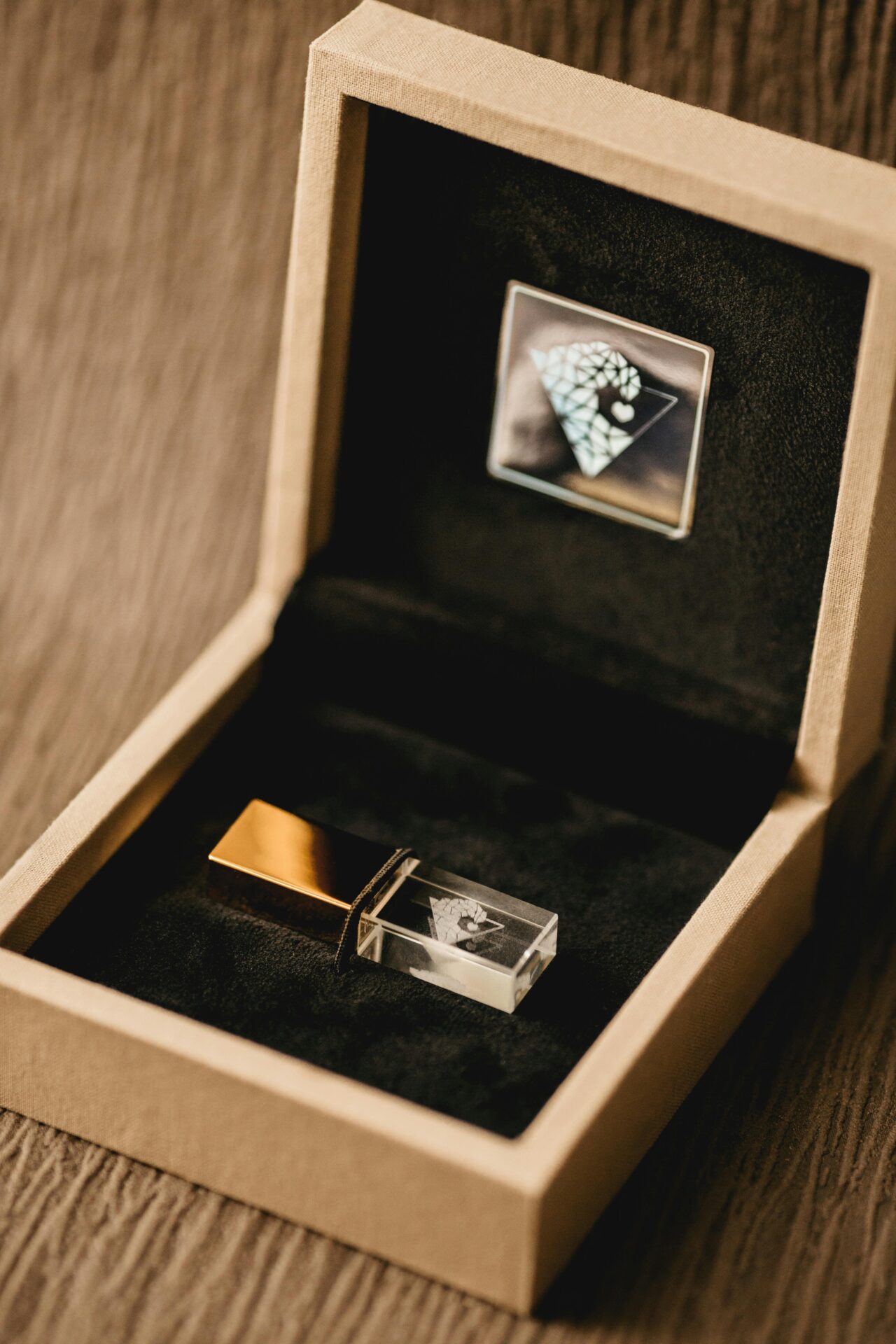
External hard drives with hardware encryption are also common, particularly in the enterprise space. These drives often include features such as automatic encryption of all data written to the drive, real-time encryption/decryption, and optional password-based access control. Some models also include hardware-based encryption chips that are tamper-resistant, providing an extra layer of protection against physical attacks.
The growing availability of consumer-grade external memory devices with built-in hardware encryption is part of a larger trend in which privacy and data security are becoming central concerns. As the amount of sensitive data being stored on personal devices increases, users are becoming more aware of the need to protect their information. Hardware encryption provides an easy, effective solution for securing data without the need for complex software configurations or the risk of relying on potentially vulnerable software encryption. Many people find that combining technology with enjoyable experiences, such as New Jersey wine tours, enhances their appreciation for both security and leisure.
The Future of Hardware Encryption
As the demand for stronger data protection grows, it is likely that hardware encryption will continue to evolve and play an increasingly important role in the future of external memory. Advancements in encryption algorithms, hardware security features, and integration with cloud storage services will continue to enhance the capabilities of hardware-encrypted devices.
One potential development is the integration of hardware encryption with biometric authentication, such as fingerprint scanning or facial recognition. This would provide an additional layer of security and convenience, as users would be able to unlock their devices without needing to remember complex passwords. Additionally, quantum encryption could eventually play a role in making hardware encryption even more secure, as quantum computing promises to make current encryption methods obsolete. This will likely lead to the development of new encryption algorithms designed specifically for quantum-resistant security.
The future may also see the widespread adoption of encrypted external memory devices in corporate environments where compliance with data privacy regulations (such as GDPR) is becoming increasingly important. For businesses that handle sensitive customer information, hardware encryption offers an efficient, reliable way to ensure compliance and protect against potential data breaches.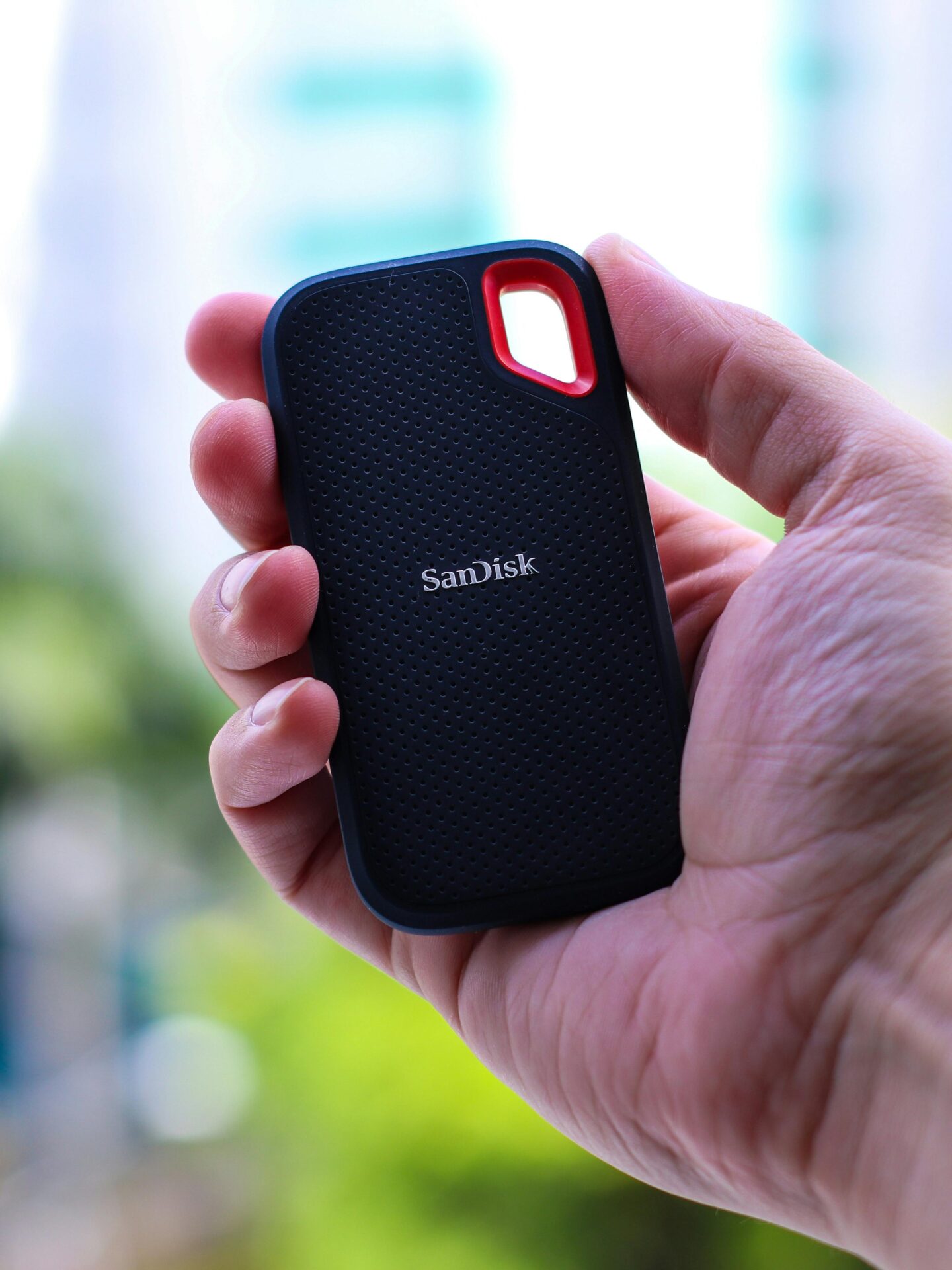
Conclusion
In an age where data security is paramount, hardware encryption offers a powerful solution for protecting sensitive information stored on external memory devices. Its advantages over software-based encryption—such as improved performance, enhanced security, and ease of use—make it a compelling choice for both individuals and organizations. While there are challenges and limitations, the future of hardware encryption looks bright, as advancements in technology and encryption techniques continue to enhance its capabilities. As we move toward an increasingly digital future, hardware encryption will undoubtedly play a crucial role in ensuring the privacy and security of our most valuable data. This growing emphasis on security also creates exciting opportunities for innovation in motion production.