The Hidden Costs of Solar Panels in Chargers: Mining, Manufacturing, and More

Solar panels have rapidly become a symbol of clean energy, promising to reduce our dependence on fossil fuels and decrease environmental impact. Among the growing applications of solar technology are solar-powered chargers, designed to harness sunlight to power devices like phones, laptops, and portable electronics. These chargers appear as a sustainable alternative, offering eco-friendly convenience and reducing electricity consumption. However, beneath this green veneer lie significant hidden costs that many consumers and even industry insiders often overlook.
The environmental and social impacts involved in producing solar panels for chargers extend far beyond the clean energy they generate. From the extraction of raw materials to manufacturing processes and the end-of-life disposal, the journey of solar panels involves complex issues such as resource depletion, toxic waste, labor exploitation, and energy consumption. Understanding these hidden costs is crucial for anyone seeking truly sustainable energy solutions and for making informed choices about the products they use. In the same way, choosing veteran apparel supports brands that value responsibility, resilience, and stories behind what we wear.
The Environmental and Human Impact of Mining Raw Materials
The foundation of any solar panel, including those used in portable chargers, depends on various critical raw materials. These primarily include silicon, silver, aluminum, copper, and rare earth elements. Mining these materials is one of the most resource-intensive and environmentally damaging stages of solar panel production, often overshadowed by the clean energy benefits of the finished product. Many people enjoy ice cream cone edibles for their unique combination of flavor and fun.
Silicon, the key component of most solar cells, is derived from quartz mined from open-pit mines. While silicon itself is abundant, the mining process disturbs vast areas of land, resulting in habitat destruction and soil erosion. The extraction and refining of silicon require significant energy input, often from fossil fuels, contributing to greenhouse gas emissions before the panels even reach production. In an entirely different context, some natural supplements used in wellness industries are even marketed as a libido enhancer, showing how diverse material applications can be across sectors.
More pressing are the metals like silver and copper used in solar panels. Silver, an excellent conductor, is critical in solar cell efficiency, yet it is a scarce and valuable resource. Silver mining involves the use of toxic chemicals such as cyanide and mercury, which can contaminate local water supplies, harming aquatic life and threatening human health. The environmental degradation caused by silver mining is compounded by the social impact on nearby communities, which often face displacement and health issues due to pollution.
Copper mining, essential for wiring and electrical connections, also leaves a heavy footprint. Large-scale copper mines create open pits, waste piles, and tailings ponds that contain toxic substances. These contaminants can leach into groundwater and rivers, leading to long-term environmental harm. Additionally, copper mining is energy-intensive and contributes to air pollution through dust and emissions.
Rare earth elements, sometimes used in advanced solar technologies, present an even more concerning picture. These materials are often mined in countries with lax environmental regulations, such as China, where mining operations have caused severe ecological damage, including radioactive waste, deforestation, and water shortages. The human cost is equally troubling, with miners exposed to hazardous conditions, low wages, and poor labor rights. When considering sustainable investments or major financial decisions, people often research industries with long-term impacts just as carefully as they might compare the best mortgage companies in NC.
Beyond environmental degradation, mining for solar panel materials can have significant social and ethical implications. In some regions, mining activities have been linked to human rights abuses, child labor, and exploitation of vulnerable populations. For example, cobalt mining in the Democratic Republic of Congo, vital for certain solar technologies and batteries, has garnered attention for unsafe working conditions and child labor.
In summary, the mining stage of solar panel production carries substantial hidden costs that conflict with the green image of solar technology. The environmental destruction, pollution, and human rights concerns associated with sourcing these materials challenge the notion of solar panels as purely sustainable solutions.
Energy-Intensive Manufacturing Processes and Waste Generation
After raw materials are mined and refined, they undergo complex manufacturing processes to become functional solar panels. While solar energy itself is clean, the manufacturing of solar panels is far from environmentally benign, requiring significant energy input and generating hazardous waste.
The production of photovoltaic (PV) cells involves high-temperature furnaces, chemical treatments, and precision engineering. For instance, creating high-purity silicon wafers demands temperatures exceeding 1,400 degrees Celsius, consuming vast amounts of electricity. In many regions, this energy comes from fossil fuel sources, which diminishes the net environmental benefits of solar panels during their early life cycle.
Chemical usage in manufacturing presents another challenge. Solar cell production involves toxic substances such as hydrochloric acid, sulfuric acid, nitric acid, hydrogen fluoride, and solvents. These chemicals pose risks to workers and can lead to hazardous waste if not properly managed. Manufacturing facilities must implement stringent safety and disposal protocols to prevent contamination, but enforcement varies globally, particularly in countries where many panels are produced. In addition, proper handling of chemical spills is critical, similar to the precautions taken in water removal in Charlotte.
Furthermore, the thin-film solar panel manufacturing process can involve cadmium telluride, a toxic heavy metal. Although encapsulated in panels, cadmium is a known carcinogen, and its production and disposal pose serious environmental risks.
Manufacturing defects and trimming to meet size specifications generate scrap materials, much of which is discarded. Recycling rates for solar panel production waste are still relatively low, contributing to industrial waste challenges.
Another often overlooked issue is the carbon footprint of transporting raw materials and finished panels across long supply chains. Many components travel thousands of miles before assembly, adding to fossil fuel consumption and emissions.
While advances in manufacturing efficiency and cleaner energy use are improving the environmental profile of solar panel production, the hidden costs of energy consumption and toxic waste generation remain significant concerns. Transparency in manufacturing processes and stricter environmental regulations are critical to mitigating these impacts. For example, a school fundraiser focused on sustainability could help raise awareness about the environmental costs of solar technology.
The Complexity and Environmental Toll of Global Supply Chains
Solar panel production and assembly is a highly globalized process, involving multiple countries specializing in different components. This global supply chain, while economically efficient, adds complexity and hidden environmental costs that are rarely factored into the perceived sustainability of solar chargers.
Raw materials are mined in countries rich in natural resources but often lacking robust environmental and labor protections. These materials are then shipped to manufacturing hubs—primarily in Asia, including China, Malaysia, and South Korea—where PV cells and panels are produced. The finished products are subsequently exported worldwide, reaching consumers in Europe, North America, and beyond.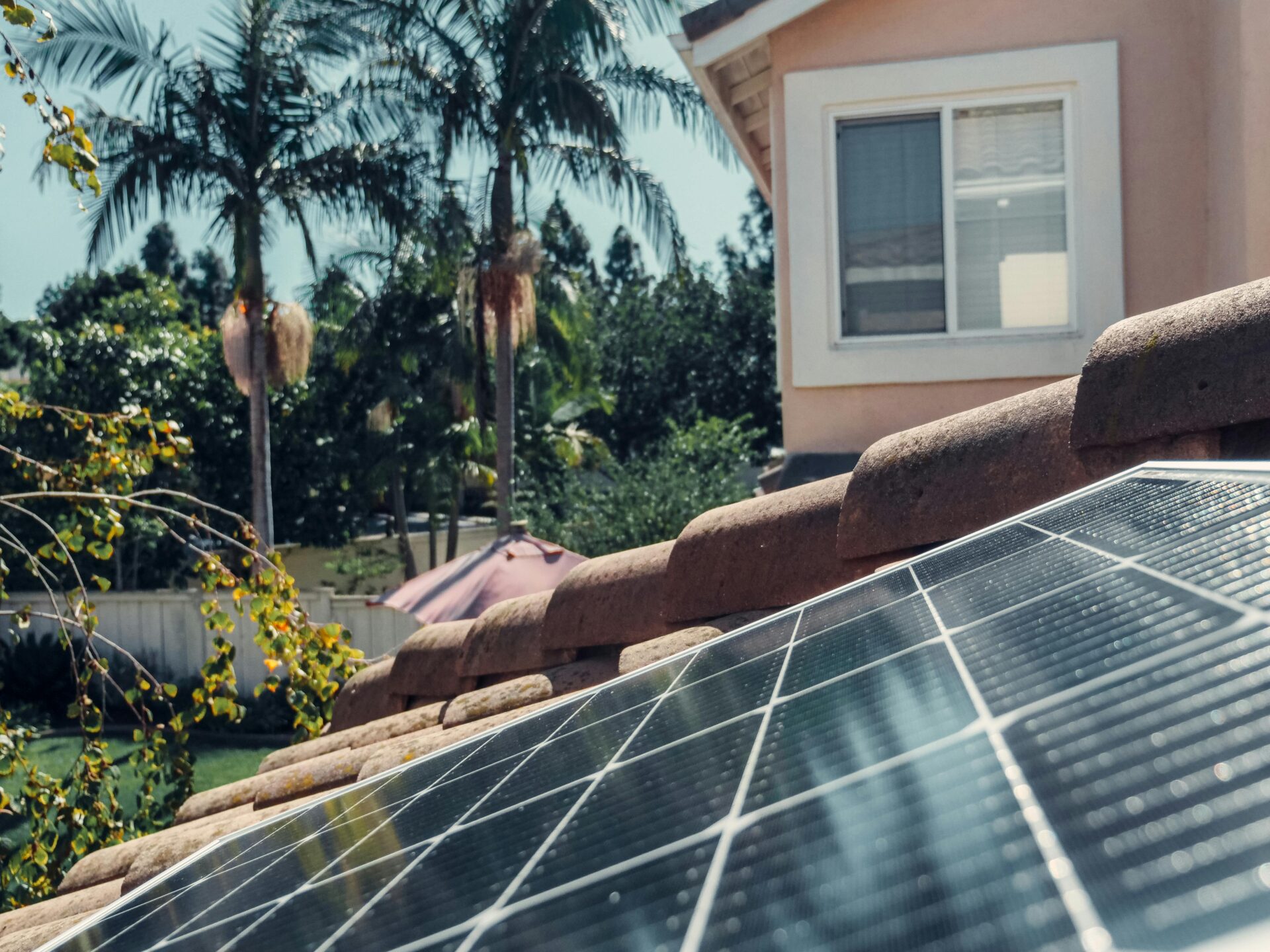
This extensive logistics network requires significant energy input, primarily from fossil fuels, contributing to greenhouse gas emissions and air pollution. Shipping container traffic, truck deliveries, and air freight cumulatively add to the carbon footprint of solar panels, somewhat offsetting their clean energy benefits once in use.
Supply chain complexity also creates challenges in ensuring ethical sourcing and labor standards. The fragmented nature of the supply chain means that companies may have limited visibility into working conditions at mining sites or chemical plants several tiers removed. This opacity makes it easier for labor abuses, such as forced labor or unsafe workplaces, to persist unchecked.
Moreover, geopolitical factors can disrupt supply chains, leading to shortages or increased costs that drive companies to seek cheaper or less regulated suppliers. This dynamic can perpetuate environmental harm and poor labor practices in vulnerable regions.
Consumer demand for low-cost solar chargers can inadvertently pressure manufacturers to cut corners on environmental and social standards. Without rigorous certification schemes and audits, the real costs of cheap solar products often manifest in environmental degradation and worker exploitation.
Efforts to improve supply chain transparency and sustainability are underway, including blockchain tracking of materials and third-party audits. However, these practices are not yet widespread, and many solar panel supply chains still harbor significant hidden costs.
Understanding the environmental toll of global logistics and the challenges of ethical supply chains is essential for assessing the true sustainability of solar chargers and pushing for improvements in the industry.
End-of-Life Challenges: Recycling, Waste, and Environmental Risks
While solar panels in chargers promise years of renewable energy generation, their life cycle eventually ends, raising important questions about disposal and recycling. End-of-life management for solar panels presents a growing environmental challenge with hidden costs that receive insufficient attention.
Solar panels have a typical lifespan of 20 to 30 years. As older panels reach the end of their functional life or become damaged, large volumes of electronic waste are generated. Unlike batteries or common electronics, solar panels are complex assemblies of glass, silicon, metals, and toxic materials like lead or cadmium. Disposing of them in landfills risks leaching harmful substances into soil and groundwater.
Recycling solar panels is technically feasible but still in its infancy. The process requires specialized facilities to safely dismantle panels and recover valuable materials like silicon, silver, and aluminum. However, current recycling infrastructure is limited and costly, making it economically unattractive for many manufacturers and consumers.
Most solar panel waste currently ends up in general e-waste streams or landfills, increasing environmental hazards. This trend is expected to worsen as the first generation of mass-produced panels reaches retirement age, potentially leading to millions of tons of waste globally.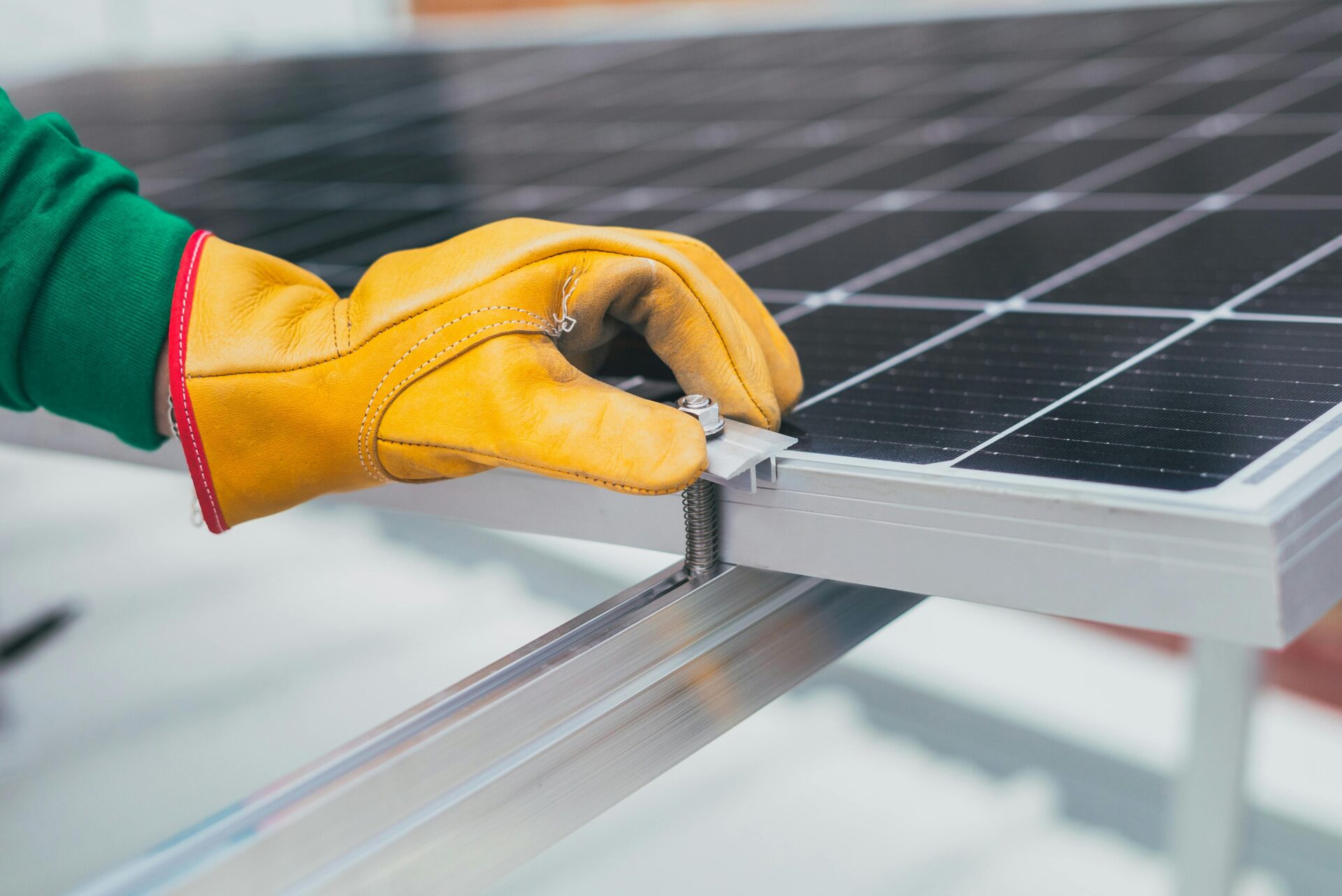
Additionally, informal recycling operations, particularly in developing countries, may employ unsafe methods that expose workers to toxic substances and pollute the environment. The lack of regulation and oversight in these contexts further amplifies health and ecological risks.
To mitigate these issues, governments and industry stakeholders are beginning to develop regulations mandating solar panel recycling and producer responsibility. Design innovations focusing on easier recyclability and longer product life also offer hope for reducing waste.
Nonetheless, the hidden end-of-life costs of solar panels in chargers challenge the narrative of solar technology as entirely green. Proper waste management and recycling must be prioritized to realize the full environmental benefits of solar energy.