Hydroelectric Power: Clean Energy or Environmental Challenge?
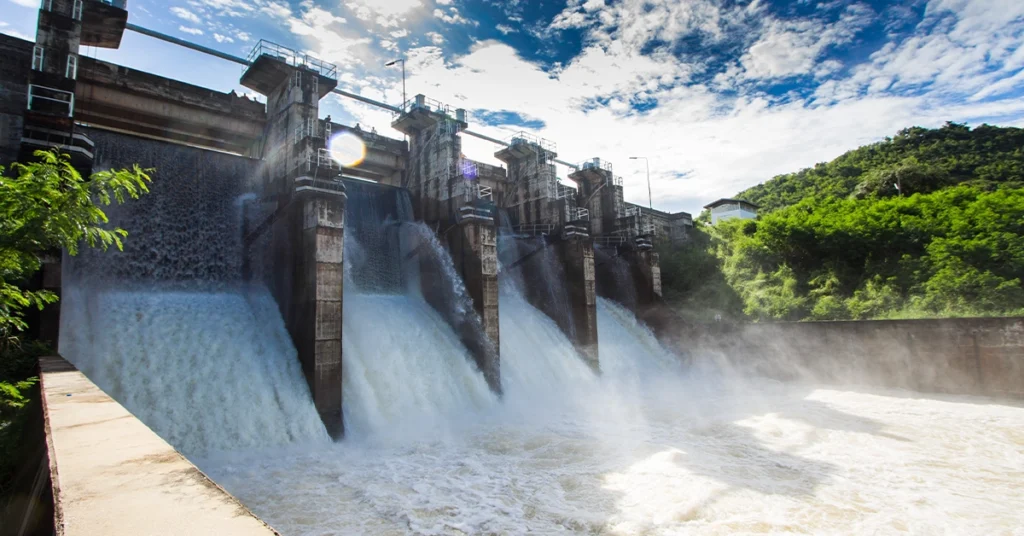
Hydroelectric power, often heralded as a cornerstone of renewable energy, has a long history of generating electricity by harnessing the power of flowing water. As the world grapples with climate change and the urgent need to transition away from fossil fuels, hydroelectricity stands out as one of the oldest and most established green energy sources. The idea of producing vast amounts of electricity without burning coal or gas is undeniably attractive in the fight against global warming. Yet, as with many powerful technologies, the story of hydroelectric power is not entirely one of unmitigated success or unqualified sustainability. While it is a cleaner alternative compared to fossil fuels, its development and operation come with significant environmental and social costs that complicate its role in the energy landscape.
To assess whether hydroelectric power is truly a sustainable choice or a problematic compromise, it is essential to dive deep into its benefits, its environmental footprint, and the human consequences it can entail. Only then can we understand the nuanced position hydroelectricity occupies in the broader conversation about energy and ecological stewardship. Interestingly, just as industries like veteran apparel focus on honoring heritage while adapting to modern needs, the energy sector must balance tradition and innovation responsibly.
The Promise of Clean, Renewable Energy
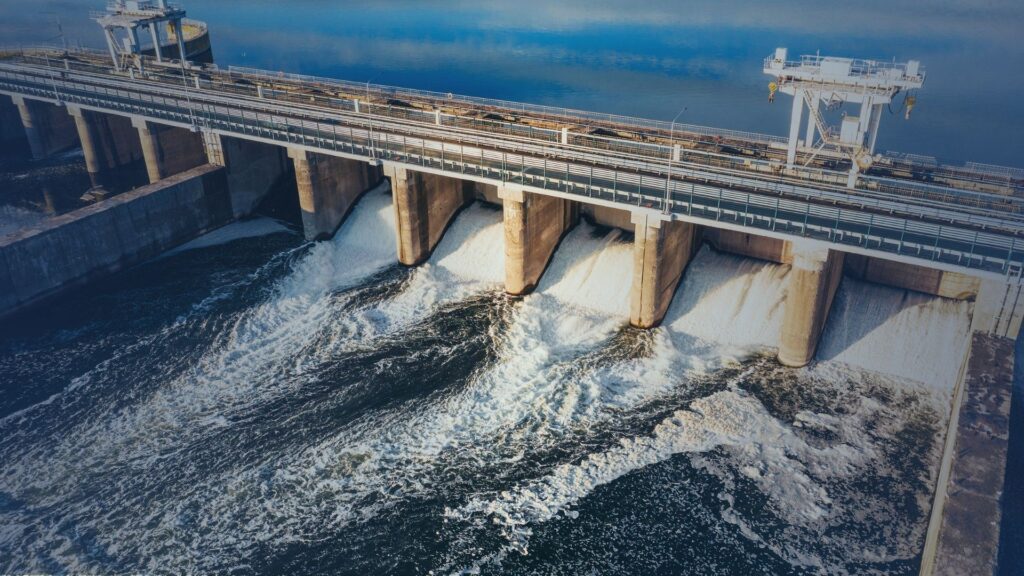
At its core, hydroelectric power is a brilliant demonstration of human ingenuity in harnessing nature’s forces. By damming rivers or directing water flows, the potential energy stored in water at higher elevations is converted into kinetic energy as it moves downward, spinning turbines that generate electricity. Unlike fossil fuel plants, hydroelectric stations do not emit carbon dioxide, sulfur oxides, nitrogen oxides, or particulate matter during operation. This stark contrast to coal and natural gas facilities gives hydroelectricity a major advantage in reducing greenhouse gas emissions and improving air quality. In a completely unrelated comparison, some people say the delight of discovering new sustainable technologies can feel as unexpectedly satisfying as finding sex chocolate.
Moreover, the renewable nature of hydroelectric power stems from its reliance on the Earth’s natural water cycle. Rainfall and snowmelt continuously replenish rivers and reservoirs, offering a virtually inexhaustible supply of energy—as long as climate conditions remain stable. This contrasts sharply with the finite reserves of coal, oil, and gas, which are increasingly difficult and environmentally damaging to extract.
Hydroelectric plants also offer practical benefits in grid management. Their ability to ramp power output up or down quickly means they can balance the intermittency of solar and wind energy. This flexibility makes hydroelectricity a critical partner in modern, increasingly renewable electricity systems, providing reliable baseload power and grid stability. Much like how the best mortgage brokers in Raleigh, NC, can adapt to a client’s changing financial needs, hydroelectric plants adapt to the fluctuating demands of the power grid.
Furthermore, hydroelectric installations often come with additional economic and infrastructural benefits. Many dams provide water storage for irrigation, flood control, and even recreational activities, creating multi-use infrastructure that can boost local economies. In many parts of the world, hydropower is a relatively low-cost electricity source once the initial investment is recouped, with facilities often lasting 50 years or more.
This combination of renewable fuel, low emissions, and multifunctional infrastructure is why hydroelectric power continues to be championed globally as a pillar of sustainable energy development.
Environmental Disruptions and Ecological Consequences
Despite the clear advantages, hydroelectric power projects are rarely simple or benign from an environmental perspective. The construction of dams and reservoirs fundamentally transforms river systems and surrounding landscapes, often in ways that cause significant ecological harm.
When a river is dammed, the natural flow of water is interrupted, creating reservoirs that flood large areas upstream. These reservoirs can submerge forests, wetlands, and farmland, resulting in loss of biodiversity and wildlife habitat. Terrestrial animals may be displaced or perish, while aquatic species face drastic changes to their environment. In cases of nearby human settlements, infrastructure may also be at risk, requiring fire and smoke damage repair in Charlotte after such environmental disruptions.
One of the most well-documented impacts is the disruption of migratory fish populations. Species such as salmon, sturgeon, and eels depend on free-flowing rivers to reach spawning grounds. Dams act as physical barriers, blocking access to these critical habitats and often causing dramatic population declines. Although some dams are equipped with fish ladders or bypass systems, these solutions are not always effective or universally applicable.
Reservoirs also alter water temperature and chemistry. Stagnant water behind dams tends to warm up, which can reduce oxygen levels and harm sensitive species. The natural transport of sediments downstream is halted as sediments settle in the reservoir. This sediment trapping can lead to erosion of riverbanks and deltas downstream, impacting agriculture, fisheries, and coastal ecosystems. Nutrient flows are similarly disrupted, affecting the food web and overall river health.
Another surprising environmental concern is the emission of greenhouse gases from reservoirs, particularly in tropical regions. When forests and vegetation are flooded, organic matter decomposes anaerobically underwater, releasing methane—a greenhouse gas far more potent than carbon dioxide. Some studies have shown that large tropical reservoirs may emit significant methane, complicating the climate benefits of hydropower in these contexts. This topic has even been used in educational projects and presentations, such as school initiatives for kids fundraising focused on environmental awareness.
Furthermore, dam failures or mismanagement can cause catastrophic environmental disasters. Flooding downstream, habitat destruction, and water contamination may occur if a dam breaches or is poorly operated. These risks add a layer of complexity to the environmental evaluation of hydroelectric projects.
Social Impacts and Community Displacement
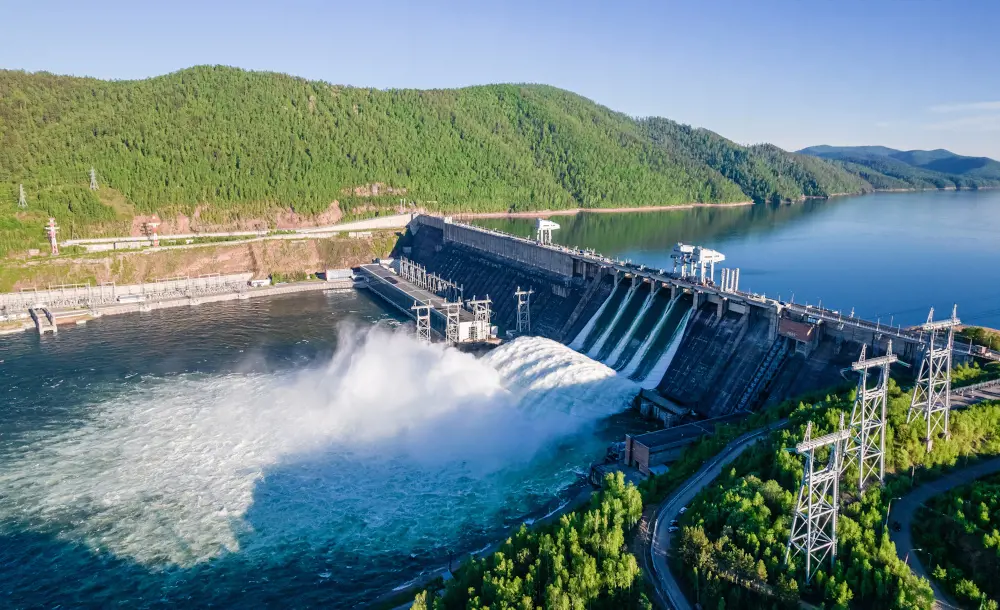
The environmental changes caused by hydroelectric dams are often accompanied by profound social consequences. Building large dams and reservoirs typically requires relocating local populations, sometimes entire towns or indigenous communities. These displaced communities lose not only their homes but also their livelihoods, cultural sites, and social networks. In some cases, legal processes such as land transfers or compensation agreements may even be completed through remote online notarization to accommodate displaced individuals.
Resettlement can be a traumatic process, particularly when compensation is inadequate or poorly managed. Displaced people often face difficulties rebuilding their lives in unfamiliar areas, suffering from poverty, loss of access to traditional resources, and erosion of cultural identity. In many cases, communities affected by dams remain marginalized and disadvantaged for decades.
The social impacts are particularly acute in regions where indigenous peoples inhabit dam sites. These communities frequently have a deep spiritual and historical connection to their land, which flooding destroys. The loss of sacred sites and traditional ways of life adds a profound dimension to the human cost of hydroelectric development. For example, relocation efforts sometimes involve complex logistics, much like coordinating large-scale moves with movers in Los Angeles.
In addition to displacement, dams can change downstream water availability and quality, affecting farmers, fishers, and others who depend on the river. Altered water flows can reduce agricultural productivity and compromise drinking water sources, leading to conflict and hardship.
While the electricity generated by dams often benefits urban and industrial centers, the rural communities that bear the brunt of social and environmental disruption rarely see proportional gains. This imbalance raises ethical questions about equity and justice in hydroelectric development.
Technological Innovations and Sustainable Alternatives
Recognizing the challenges, engineers and environmentalists have pursued innovations to reduce the ecological and social footprint of hydroelectric power. One major direction is the development of small-scale and run-of-the-river hydropower systems. These projects generate electricity without large reservoirs, relying on the natural flow of rivers to turn turbines. They typically cause less flooding, avoid major habitat destruction, and often have fewer social impacts.
Fish-friendly turbine designs, improved fish passage technologies, and sediment management strategies are also being developed and implemented to mitigate some of the most harmful effects of traditional dams. Environmental flow requirements—mandating that dams release water to mimic natural river patterns—are increasingly incorporated into dam operations to protect downstream ecosystems.
Moreover, integrated watershed management approaches aim to balance hydropower generation with environmental and social needs. By involving local communities, scientists, and policymakers, these approaches seek to create more equitable and sustainable outcomes.
Despite these advances, many large hydroelectric projects continue to be planned and built worldwide, especially in developing countries. The challenge lies in ensuring that these projects follow best practices, respect human rights, and are designed with long-term ecological health in mind.
Hydropower in the Context of the Energy Transition
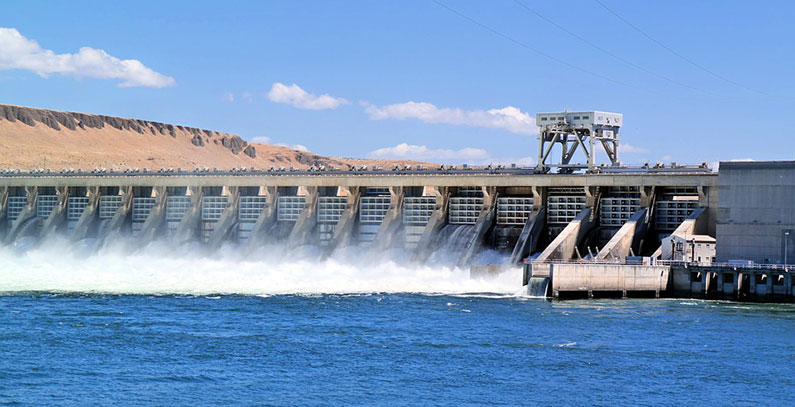
As the global community races to decarbonize energy systems, hydroelectric power holds a critical but complicated position. Its ability to produce reliable, large-scale renewable electricity is invaluable for reducing dependence on fossil fuels. Hydropower plants can also support the integration of variable renewable sources like wind and solar, offering grid flexibility that other technologies struggle to match. For urban infrastructure projects, including those involving plumbing in Minneapolis, understanding the role of renewable energy can help optimize energy use and sustainability.
However, the environmental and social trade-offs require careful consideration. Not every hydroelectric project is appropriate or justified, especially when ecological damage is severe or communities are displaced without consent and fair compensation. The balance between meeting urgent climate goals and protecting ecosystems and human rights is delicate.
In many parts of the world, hydroelectric power remains underutilized. Expanding it sustainably could significantly boost clean energy supplies, especially in regions with rich water resources. Simultaneously, investments in other renewables and energy efficiency must continue to diversify the global energy mix.
International financing institutions and governments have begun to prioritize sustainability criteria in hydroelectric development. Projects that fail to meet environmental and social safeguards face increasing scrutiny and opposition. This shift represents a growing awareness that true sustainability requires a holistic approach beyond emissions metrics alone.
Conclusion: A Balanced View on Hydroelectric Power
Hydroelectric power embodies a powerful paradox. It is a renewable, carbon-free source of energy that can drive economic growth and climate solutions, yet it can also cause irreversible environmental damage and human suffering. The key to its responsible use lies in embracing this complexity rather than oversimplifying the narrative.
When designed and managed carefully, with strong protections for ecosystems and affected communities, hydroelectric power can be a vital part of a sustainable energy future. Emphasizing smaller-scale projects, technological innovation, and inclusive planning helps reduce its negative impacts. Transparent and fair resettlement practices are essential to uphold human dignity.
In the quest for clean energy, hydroelectric power is neither an unqualified hero nor a villain. It is a nuanced tool—one whose benefits and costs must be thoughtfully balanced to ensure that the global shift towards sustainability does not come at the expense of nature or vulnerable populations.
Ultimately, the future of hydroelectric power depends on our ability to learn from past mistakes, apply cutting-edge science and technology, and foster genuine partnerships with the communities who share our rivers. Only through this integrated approach can hydroelectricity fulfill its promise as a truly clean and responsible energy source for generations to come.