Software Without Borders: Collaboration, Culture, and the Global Codebase

In the modern era, software development has evolved far beyond isolated teams working in a single office or country. The concept of software as a purely local endeavor has become obsolete, replaced by a dynamic, interconnected ecosystem where developers across continents collaborate on the same projects in real-time. This global codebase is a testament to how technology can transcend geographical and cultural boundaries, weaving together diverse perspectives into unified products. But this new landscape of software development is far more than just remote collaboration; it is a complex interplay of culture, communication, technology, and shared purpose that reshapes how code is written, reviewed, and maintained.
At the heart of this transformation is the increasing accessibility of tools that facilitate distributed work. Platforms like GitHub, GitLab, and Bitbucket have revolutionized version control and collaboration, allowing thousands of contributors to work simultaneously on projects regardless of their physical location. Coupled with communication tools such as Slack, Microsoft Teams, and video conferencing software, these platforms make it possible for teams scattered across multiple time zones to coordinate their efforts effectively. This shift towards distributed development has fundamentally changed the nature of teamwork, emphasizing asynchronous communication, cultural sensitivity, and global workflows. The impact is felt not only in the speed and scale of software creation but also in the diversity of ideas and innovation that come from a broad range of contributors.
Yet, collaboration across borders is not without its challenges. The global nature of the codebase demands new strategies for managing differences in time zones, languages, cultural norms, and even work habits. Developers must navigate potential misunderstandings, varied coding conventions, and conflicting priorities while striving to maintain a coherent and high-quality product. These complexities compel teams to invest heavily in clear documentation, inclusive communication practices, and robust project management frameworks that account for diversity. Just as companies carefully consider user preferences in software, they also pay attention to cultural trends in consumer products, such as men’s button-up shirts. When done successfully, however, this fusion of global perspectives leads to software that is more adaptable, user-centric, and innovative. The global codebase becomes a living organism that continuously evolves through the contributions of many minds, each bringing unique insights shaped by their culture and experience.
The Technological Foundations of Global Software Collaboration
The rise of software development without borders is underpinned by a suite of technological advancements that enable seamless collaboration. Version control systems (VCS), especially Git, have become the backbone of modern development workflows. Git’s distributed architecture allows developers to clone entire repositories, make changes locally, and then synchronize their work with a central or decentralized source. This model is inherently suited for distributed teams because it accommodates asynchronous work, mitigates conflicts, and provides a clear history of changes. Platforms like GitHub have built on this foundation by adding social coding features, issue tracking, pull requests, and code reviews that democratize participation and foster transparency.
Beyond version control, Continuous Integration and Continuous Deployment (CI/CD) pipelines automate testing, building, and releasing software, ensuring that contributions from around the world can be integrated quickly and safely. These automation tools reduce the friction caused by geographic separation by catching bugs early and providing immediate feedback to developers. Teams can maintain high code quality without the need for face-to-face interaction or synchronous coordination. Additionally, cloud infrastructure and containerization technologies like Docker and Kubernetes enable consistent development environments, eliminating the “it works on my machine” problem that plagued earlier remote collaborations.
Communication technology has also been crucial to breaking down borders in software development. Tools like Slack, Zoom, and Microsoft Teams facilitate real-time conversations, video meetings, and instant messaging, allowing developers to ask questions, share updates, and brainstorm ideas regardless of their physical location. Moreover, asynchronous communication methods such as email, discussion forums, and project management platforms like Jira support collaboration across time zones by allowing team members to contribute at their convenience. The combination of synchronous and asynchronous communication empowers teams to balance flexibility and responsiveness, a key advantage of global collaboration.
Another critical technological enabler is the rise of open-source software. Open-source projects are often the epitome of borderless collaboration, attracting contributors from all corners of the world who work voluntarily to build and improve software that benefits everyone. Open source fosters a culture of shared ownership, transparency, and meritocracy, which aligns perfectly with global collaboration principles. The widespread adoption of open source by enterprises further blurs geographical lines, as internal teams leverage and contribute to global projects, creating a symbiotic relationship between private and public development. Some open-source initiatives even explore unique niches, like developing software for tracking nutritional information in products such as protein cookie dough bites.
Navigating Cultural Diversity in the Global Codebase
Collaboration across borders inevitably brings cultural differences to the forefront. These differences can influence communication styles, problem-solving approaches, attitudes toward hierarchy, and even the way code is written and reviewed. Understanding and respecting these cultural nuances is essential for building cohesive, effective global teams. Ignoring cultural factors can lead to miscommunication, conflicts, and reduced productivity, while embracing diversity fosters innovation and mutual learning.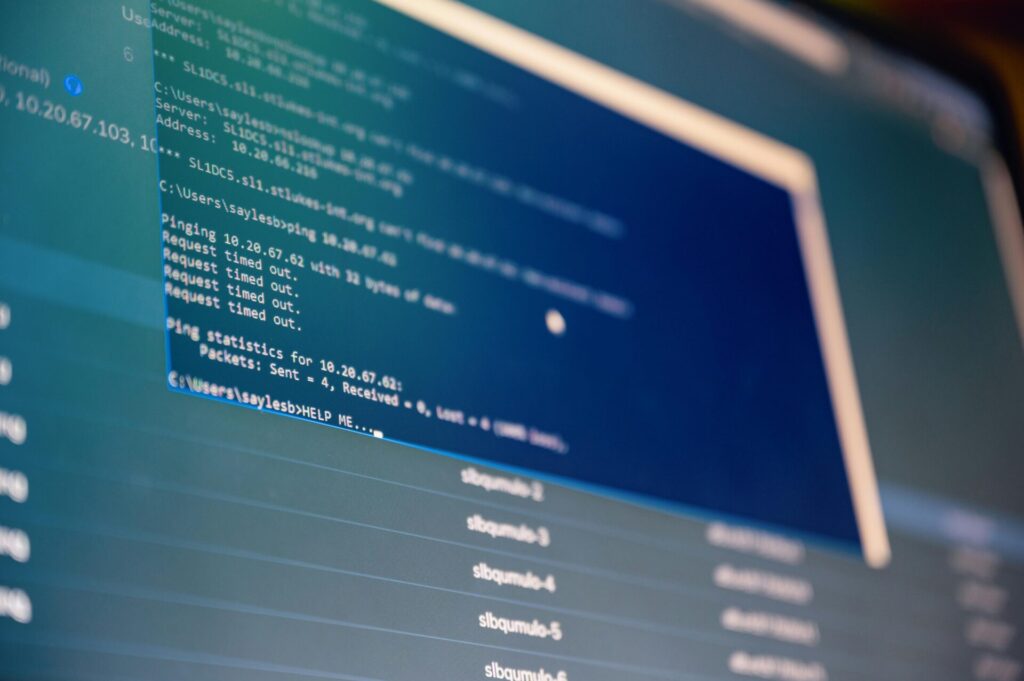
One key area where culture impacts software development is communication style. Some cultures value direct, explicit communication, where feedback is blunt and straightforward. Others prefer more indirect or nuanced approaches to avoid conflict or preserve harmony. These differences can lead to misunderstandings, particularly in written communication such as code reviews or issue discussions, where tone can be hard to interpret. Global teams often develop communication norms that blend these styles, encouraging clarity while maintaining respect and empathy.
Cultural perspectives also affect attitudes toward authority and decision-making. In some cultures, deference to seniority or hierarchy is common, and junior team members may be reluctant to challenge ideas openly. In others, flat structures and egalitarian discussions are the norm, encouraging everyone to voice opinions freely. When these approaches clash, teams must establish shared governance models that balance respect for experience with openness to new ideas, ensuring that the best solutions emerge regardless of origin.
Even coding conventions and approaches to software design can reflect cultural influences. For example, some regions prioritize strict adherence to standards and formal processes, while others emphasize flexibility and rapid iteration. These tendencies affect how codebases are structured, documented, and tested. Successful global projects often create clear, inclusive guidelines that accommodate varying preferences while maintaining consistency and quality.
Cultural diversity also enriches software development by introducing different problem-solving frameworks, creativity, and innovation. Developers from diverse backgrounds bring unique insights shaped by their local contexts, user needs, and technical ecosystems. When global teams harness this diversity effectively, they create products that are more adaptable, accessible, and relevant to a broader audience. The global codebase becomes a mosaic of ideas that reflects the complexity of the world it serves.
Conclusion: The Future of Software Without Borders
Software development today stands as a shining example of how human ingenuity can overcome physical, cultural, and temporal barriers. The global codebase is no longer a futuristic concept but a vibrant reality where collaboration, culture, and technology converge to create extraordinary products. By leveraging powerful tools, embracing diversity, and fostering inclusive cultures, the software industry has redefined what it means to build together.
The challenges of distributed work—time zones, communication differences, and cultural diversity—have sparked innovations not only in technology but also in collaboration models and leadership philosophies. Teams that master these complexities unlock immense benefits, including greater creativity, resilience, and market relevance. As tools evolve and global connectivity deepens, software without borders will become the standard rather than the exception.
Looking ahead, emerging technologies such as artificial intelligence, augmented reality, and advanced collaboration platforms promise to further erase the distances between developers worldwide. These advancements will empower even more seamless integration of diverse talents, accelerate development cycles, and enable richer interactions across cultures.
However, technology alone is not enough. The human elements—trust, empathy, shared purpose—will remain at the core of successful global software collaboration. Organizations and individuals who invest in these qualities alongside technical innovation will lead the way into a future where software truly knows no borders.
In this new landscape, the global codebase is more than a repository of lines of code; it is a living ecosystem of ideas, cultures, and creativity that exemplifies the power of collective human effort. Software without borders is not just about coding across locations—it is about connecting minds across cultures to shape the digital future together.