Harmony in the Tank: Achieving Compatibility Among Aquarium Shrimp and Their Tankmates

Creating a harmonious aquarium environment involves careful consideration of the compatibility among its inhabitants. Among the fascinating aquatic creatures that aquarium enthusiasts often choose to keep are shrimp. These small crustaceans can add vibrancy and diversity to your tank. However, ensuring their compatibility with other aquarium inhabitants is crucial for the overall well-being of the aquatic community. In this guide, we will explore the key aspects of aquarium shrimp compatibility and provide insights into maintaining a balanced and thriving tank.
Shrimp Species Compatibility
Not all shrimp species exhibit the same behaviors and temperaments. Therefore, it’s essential to choose compatible shrimp species or carefully curate a community with similar needs. Popular freshwater shrimp species like Cherry Shrimp (Neocaridina davidi) and Amano Shrimp (Caridina multidentata) are known for their peaceful nature and adaptability. These species generally coexist well with each other and with various community fish.
However, it’s crucial to be cautious when introducing aggressive or predatory species, such as larger cichlids or certain types of freshwater pufferfish. These may view shrimp as potential snacks, posing a threat to their well-being. Always research the specific requirements and behaviors of both shrimp and other species in your tank to ensure compatibility.
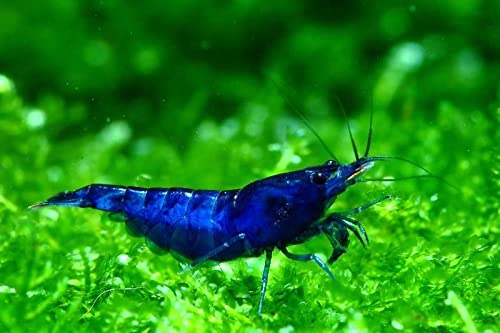
Water Parameters and Tank Conditions
Maintaining stable water parameters is vital for the health of aquarium shrimp and their tankmates, including nano fish. Different species have varying requirements regarding water temperature, pH levels, and hardness. Therefore, it’s essential to choose tankmates that share similar preferences.
For instance, if you keep shrimp that thrive in slightly acidic and soft water, such as Crystal Red Shrimp (Caridina cantonensis), it’s advisable to select fish species that also prefer these conditions. Similarly, some fish may have specific dietary needs or may be more sensitive to water quality, so understanding the compatibility of these factors is crucial.
Furthermore, provides ample hiding spaces for shrimp to molt and seek refuge. Driftwood, live plants, and mosses can create a natural environment that benefits both shrimp and their tankmates. Adequate hiding spots contribute to a stress-free environment, allowing shrimp to exhibit natural behaviors while minimizing the risk of conflicts with other inhabitants.
Feeding Considerations
One aspect of compatibility often overlooked is the feeding habits of different aquarium inhabitants. Shrimp are generally peaceful grazers, consuming algae, biofilm, and leftover food particles. However, some fish species are aggressive feeders and may outcompete shrimp for food. To address this, consider the feeding habits of all tank inhabitants when selecting their companions.
Choosing slow and deliberate feeders, such as small schooling fish or bottom-dwelling species, can help ensure that shrimp have sufficient time to access their share of food. Additionally, providing a well-balanced diet that meets the nutritional needs of all inhabitants contributes to a healthier and more compatible aquarium community.
Conclusion
In conclusion, achieving compatibility among aquarium shrimp and other inhabitants requires thoughtful consideration of various factors. Selecting suitable shrimp species, understanding water parameter preferences, creating an appropriate tank environment, and addressing feeding habits are crucial steps in fostering a thriving aquatic community. By investing time in research and planning, aquarium enthusiasts can create a balanced and harmonious environment where shrimp and their tankmates coexist in beauty and tranquility.