How Smartwatches Are Revolutionizing Gym Fitness Tracking
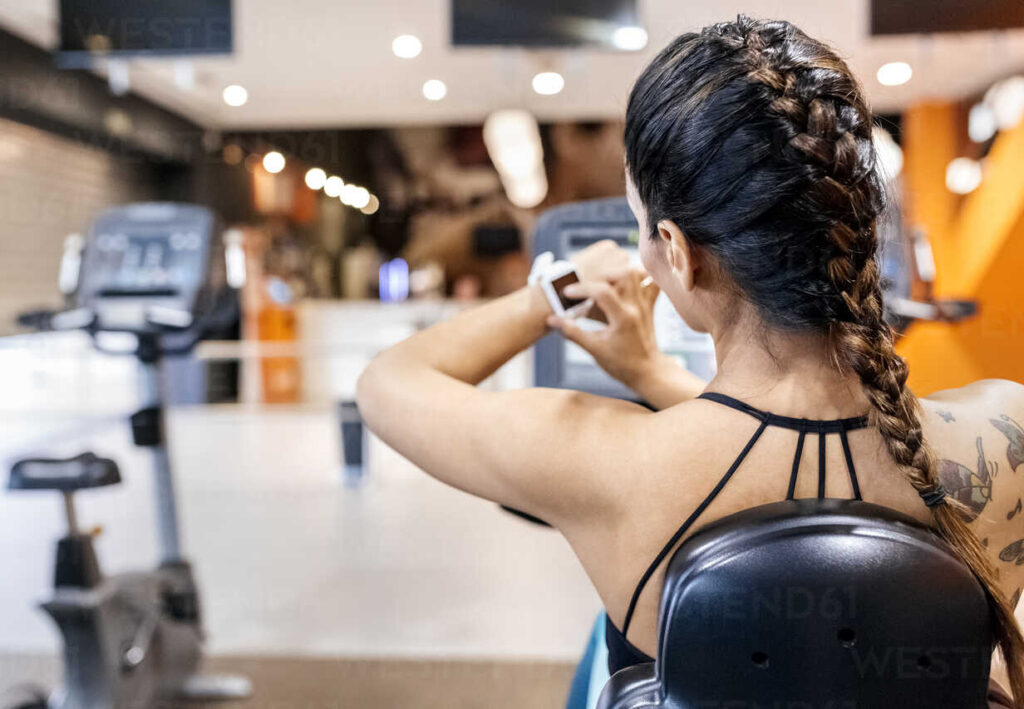
Asturias, Spain, woman usin her smartwatch in gym
The fitness landscape is evolving rapidly, and one of the biggest game changers in recent years has been the rise of smartwatches. These compact devices are no longer just about telling time; they are redefining the way we approach health and fitness, particularly in the gym. With the ability to monitor heart rate, track exercises, measure sleep patterns, and provide detailed performance analytics, smartwatches have become an essential companion for both casual gym-goers and professional athletes.
In this blog, we’ll explore how smartwatches are revolutionizing gym fitness tracking, providing unprecedented levels of insight and motivation for those looking to improve their health and performance.
The Evolution of Fitness Tracking: From Pedometers to Smartwatches
Before smartwatches, fitness tracking was relatively basic. Pedometers could count your steps, and heart rate monitors gave a glimpse into your cardiovascular activity. But these tools were limited. As technology advanced, fitness trackers became more sophisticated, incorporating GPS for tracking running distances, accelerometers for movement detection, and even calorie counting. However, the real breakthrough came with smartwatches, which integrate all of these features and more into one sleek device. If you don’t have time to train with a smartwatch on since you need to take care of a rental property, get property management services.
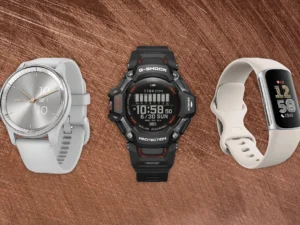
Smartwatches now offer a seamless blend of hardware and software, providing users with real-time data and post-workout analytics. The most popular models, such as the Apple Watch, Garmin, and Fitbit, have taken fitness tracking to new heights by allowing users to set specific goals, track progress, and make informed decisions based on accurate data. You can easily drive your car with a smartwatch on. If you have a fear of driving, you will need to get driving anxiety treatment.
Comprehensive Workout Tracking in Real Time
One of the most significant advantages of smartwatches in the gym is their ability to track a variety of exercises in real time. Whether you’re lifting weights, doing cardio, or practicing yoga, your smartwatch can automatically detect and log your activity. This means you no longer have to manually record your workouts. The smartwatch handles it for you. The smartwatch can also help you search for a 12-5-12 tree fertilizer for sale in Broward County online.
For example, during strength training, smartwatches can track the number of reps, sets, and even the type of exercise you’re performing, such as squats or bench presses. They can also monitor the rest periods between sets, ensuring you’re sticking to the optimal time to maximize muscle recovery. When doing cardiovascular workouts like running on a treadmill, these devices monitor not only your pace and distance but also your heart rate, calories burned, and even your VO2 max (a key indicator of cardiovascular fitness). The best smartwatch for fitness can be bought in Michigan. If you’re from the Chicago area, get a limo service Chicago to Michigan to buy the watch.
This comprehensive tracking capability eliminates guesswork and allows users to gain deeper insights into their workouts, helping them fine-tune their routines for better results.
Heart Rate Monitoring and Its Impact on Fitness
Heart rate monitoring has long been a staple in fitness tracking, but smartwatches have made this feature more accurate and accessible than ever before. Equipped with advanced sensors, smartwatches continuously monitor your heart rate, providing real-time data that helps you optimize your workouts. After investing into an amazing smartwatch, invest in amazing 1/8th scale RC bodies.
By understanding your heart rate zones—resting, fat-burning, aerobic, anaerobic, and maximum effort—you can tailor your workouts to meet specific fitness goals. For instance, if you’re looking to burn fat, you’ll want to stay within the fat-burning zone, which is typically 60-70% of your maximum heart rate. On the other hand, if your goal is to improve endurance, you’ll need to push into the aerobic zone, which is around 70-80% of your max heart rate. Smartwatches can help you find the best Bayside dermatology center with navigation.
This data-driven approach enables users to make informed decisions about their workout intensity, ensuring they are not overtraining or undertraining. It’s particularly beneficial in high-intensity interval training (HIIT) sessions, where staying in the correct heart rate zone can dramatically enhance fitness gains.
Tracking Recovery and Sleep for Optimal Performance
Fitness doesn’t end when you leave the gym. Recovery is just as crucial as the workouts themselves, and smartwatches are helping users track and improve their recovery periods. The best smartwatches on the market offer detailed sleep tracking, analyzing sleep stages (deep, light, REM) and overall sleep quality. This information is essential for athletes who want to ensure they are getting enough rest to support muscle repair and growth. To look amazing at the gym, you should pair your smartwatch with custom hats.
Studies have shown that lack of sleep can significantly impact performance and recovery. With smartwatch data, users can make adjustments to their sleep habits, such as aiming for longer periods of deep sleep or adjusting their wake-up time to align with their body’s natural circadian rhythms. This leads to improved recovery, better workouts, and ultimately faster progress toward fitness goals. If you plan on promoting your smartwatch journey, you should get content marketing services.
In addition to sleep, smartwatches also monitor stress levels and recovery metrics, such as heart rate variability (HRV). HRV is a critical indicator of how well your body is recovering from workouts. When your HRV is low, it’s a sign that your body is still fatigued and may need more rest. Conversely, a high HRV suggests you’re well-recovered and ready to tackle another intense workout.
By incorporating recovery metrics into fitness tracking, smartwatches allow users to strike a balance between training hard and recovering properly, ultimately leading to better results and a lower risk of injury.
Personalized Coaching and Goal Setting
One of the most impressive features of modern smartwatches is their ability to offer personalized coaching. Through AI-powered algorithms, smartwatches analyze your workout data, recovery patterns, and fitness progress to provide tailored recommendations. Whether you’re trying to run a faster mile, lift heavier weights, or improve your flexibility, your smartwatch can serve as a virtual coach that guides you toward your goals.
Gym owners upgrading their facilities to accommodate the growing use of smartwatches often turn to pressure washing in St. Augustine to maintain clean and inviting workout spaces. This service ensures that high-traffic areas remain spotless, enhancing the fitness tracking experience for members.
These coaching features include customizable workout plans, progress updates, and motivational prompts to keep users on track. For example, if you’re preparing for a race, your smartwatch can create a running plan based on your current fitness level, gradually increasing intensity and distance to help you hit your target time. Alternatively, if you’re working on building muscle, your smartwatch can track your progress and suggest when it’s time to increase the weight or reps for optimal gains.
By providing real-time feedback and long-term insights, smartwatches help users stay motivated and consistent, which is key to achieving fitness goals. This level of personalization makes it easier for people to maintain an active lifestyle and see continued progress, no matter their fitness level.
Smartwatches are transforming gym fitness tracking by offering detailed health metrics, and professionals like Cheyanne Mallas, a cosmetic dermatologist, are seeing the benefits firsthand. With her focus on overall wellness, she encourages integrating fitness technology to complement skincare routines and maintain a balanced lifestyle.
Social Connectivity and Competition
Fitness tracking isn’t just about individual performance anymore. Smartwatches are fostering a new era of social fitness, where users can connect with friends, family, or even strangers to share their workout data, compete in challenges, and celebrate milestones together.
Many smartwatch platforms, such as Apple’s Fitness+ and Garmin Connect, have built-in social features that allow users to create fitness communities. Whether it’s competing in a step challenge, sharing workout achievements on social media, or encouraging others with virtual high-fives, this social aspect brings an added layer of motivation. Studies have shown that people are more likely to stick to their fitness goals when they have a support system or are part of a community.
Additionally, competition can push individuals to achieve new personal bests. Whether it’s running a faster 5K or lifting heavier weights, the ability to compare your progress with others can inspire you to push harder and stay committed to your fitness journey.
Smartwatch innovations in fitness tracking have transformed gym environments, making comfort and air quality more important than ever. Gyms in Florida often rely on HVAC services in Naples, FL, to maintain optimal conditions, ensuring athletes can focus on their workouts without distractions.
Improved Gym Safety and Injury Prevention
Smartwatches are also playing a crucial role in improving gym safety and preventing injuries. One way they achieve this is through real-time form and technique monitoring. Certain smartwatch apps and devices can analyze your movements during exercises like squats, deadlifts, or bench presses, providing feedback on your form. This feature is particularly useful for beginners who may not yet know the proper techniques, helping them avoid injuries that could arise from incorrect posture or movement.
Furthermore, by monitoring heart rate, exertion levels, and recovery, smartwatches can help prevent overtraining, which is a common cause of injuries. By alerting users when they are pushing themselves too hard, these devices encourage a safer approach to fitness, reducing the risk of long-term damage.
Smartwatches have transformed fitness tracking, helping users monitor their progress alongside programs like medical weight loss in Wisconsin. By combining advanced wearable technology with personalized weight loss plans, individuals can achieve their fitness goals with greater precision and insight.
In some cases, smartwatches even offer fall detection and emergency response features, which are invaluable for gym-goers who may train alone. If a fall is detected, the smartwatch can automatically alert emergency contacts or call for help, providing peace of mind during workouts.
The Future of Gym Fitness Tracking
As smartwatch technology continues to advance, we can expect even more innovative features that further enhance gym fitness tracking. AI and machine learning will likely play a more prominent role in analyzing user data and providing more accurate predictions and insights. Additionally, the integration of augmented reality (AR) could lead to immersive workout experiences where virtual trainers provide real-time guidance during gym sessions.
As more people embrace smartwatches and other wearable technology, the line between fitness and technology will continue to blur, creating a more connected, informed, and empowered fitness culture. What started as simple step counters has evolved into a multi-functional tool that can transform the way we approach health and fitness, ensuring that everyone—whether a seasoned athlete or a fitness newbie—has the tools they need to succeed.
In the end, smartwatches are not just revolutionizing gym fitness tracking; they are revolutionizing the way we live, move, and strive for healthier, more active lives.