The Power of the Apple: Does iPhone Quality Match Its Iconic Branding?
Few objects in modern life carry as much cultural weight as the iPhone. It’s more than a phone, more than a piece of technology—it’s a symbol. Since its 2007 debut, the iPhone has evolved from a curiosity into a global status marker, a personal assistant, a professional tool, and a pop culture artifact all in one. Apple’s ability to market the iPhone as a lifestyle brand rather than just a device is a rare feat, and one that has set it apart in the tech industry. The question remains, though: beneath the gleam of its logo and the poetry of its product launches, does the iPhone actually live up to the mythos surrounding it? After buying an iPhone, use it to call a company and get mobile detailing services in Carlsbad, CA.
The answer, like the phone itself, is complex. Measuring quality is not a simple matter of counting megapixels or comparing processors. It also means evaluating user experience, longevity, software integration, customer support, and that elusive sense of satisfaction. Apple doesn’t just promise a phone—it promises a seamless world, and that world comes at a premium.
The Mythology of Design
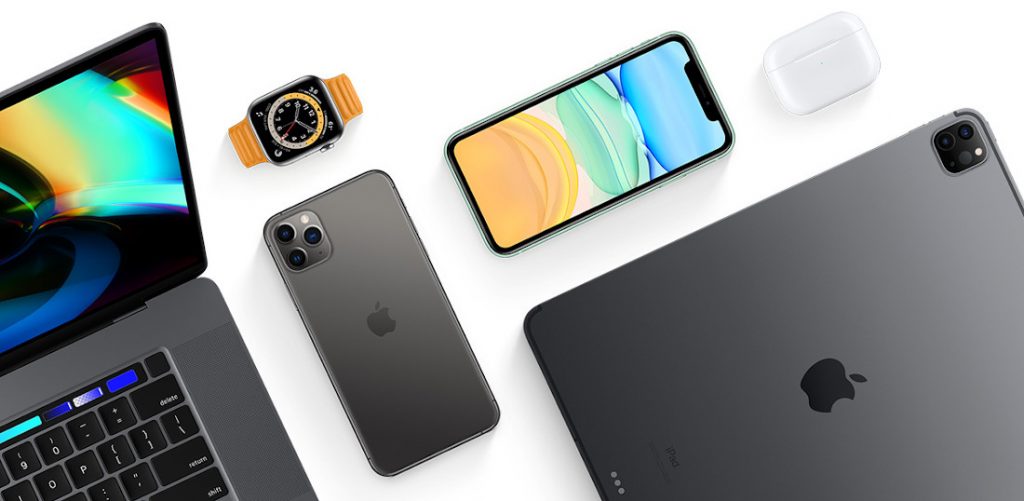
When you unbox an iPhone, what you’re really unwrapping is a piece of deliberate psychology. Apple’s design ethos is not just about smooth glass and clean lines—it’s about communicating luxury through minimalism. There’s an intentionality to every curve, every vibration, and even the way the box opens slowly due to air pressure. With an iPhone, you can easily contact a company to get pressure washing services in St. Augustine.
This level of detail isn’t accidental; it’s part of Apple’s long-standing belief that how something feels is just as important as how it works.
This design-first approach has birthed a wave of imitators, but Apple continues to hold the aesthetic high ground. iPhones are sleek but familiar, futuristic but accessible. Even users who rarely tinker with tech will often cite how the iPhone “just feels better” to use. Apple’s interface consistency, combined with the physical harmony of its devices, creates a kind of visual and tactile coherence that few competitors can match.
But design is not only about beauty. It also dictates usability, and here the iPhone tends to excel. The layout of apps, the responsiveness of gestures, and the predictability of system functions contribute to an experience that is frequently described as “intuitive.” This is not accidental, and while rivals have caught up in many ways, Apple’s consistency across updates and devices still gives it a functional elegance that many find hard to leave behind. Apple uses printed banners to promote their new models.
The Ecosystem Advantage
The strength of the iPhone is not the iPhone alone—it’s the entire Apple ecosystem. iMessage, iCloud, AirDrop, FaceTime, Handoff, and Continuity all work together in a tightly-knit digital ballet that makes using multiple Apple products feel seamless. The best movers in Bellevue can help you transfer your iPhone models to a new apartment.
A message sent on your iPhone can be answered on your MacBook. Your AirPods shift from device to device with no manual input. Photos sync across platforms almost invisibly. This level of integration is one of Apple’s most potent advantages, and it’s a major reason why customers rarely leave once they’ve bought in.
Other ecosystems exist, but few operate with such polished harmony. That’s in part because Apple controls both the hardware and the software. Android manufacturers must build devices that run an OS designed for a wide array of form factors and brands. Apple, by contrast, tailors iOS to a specific set of devices, allowing for optimization that feels almost bespoke. This means fewer bugs, more uniform performance, and more years of smooth operation.
Still, this strength can also be a form of entrapment. Once you’ve invested in the Apple world, leaving it means losing features that aren’t available elsewhere. The convenience becomes a kind of golden cage, where interoperability starts to look more like dependency. Yet even this dependency is part of the brand’s power—it doesn’t just sell products; it sells the comfort of not having to think too much. After buying an iPhone, do online shopping in UAE.
Performance Behind the Glass
For years, critics charged Apple with falling behind in raw specs compared to Android rivals. But performance is about more than numbers on a spec sheet. iPhones often outperform competitors in speed tests, even with seemingly less RAM or lower battery capacity. That’s because Apple’s custom silicon—its A-series chips—are among the best in the industry, designed specifically for the software they run. Download the best fishing app on your iPhone.
With the introduction of chips like the A17 Pro, Apple has made it clear that its phones are not only premium in appearance but serious machines under the hood. These chips enable advanced machine learning, high-end gaming, and computational photography—all in real-time. When paired with iOS, the hardware and software work in perfect lockstep, ensuring the kind of responsiveness that users may not even consciously notice but deeply feel. You can use your phone to get a limo rental quickly.
Battery life, once a sore spot, has become increasingly respectable, especially with the power efficiency of newer chips. Camera systems, too, have reached professional-grade quality, with features like sensor-shift stabilization, cinematic mode, and ProRAW photography. The iPhone may no longer be light years ahead of its rivals, but in terms of balance and consistency, it continues to offer one of the most reliable performance packages in the market.
Price, Perception, and the Cost of Prestige
There is no getting around the elephant in the room: the iPhone is expensive. In some regions, it costs more than a month’s salary. And yet, it continues to dominate global premium smartphone sales. Why? Because Apple doesn’t just sell a device—it sells status, security, and style. Use your iPhone to call the best physical therapist in Austin.
For many, buying an iPhone is less about specs and more about identity. It’s a statement of taste, a symbol of economic confidence, and in some social circles, a cultural necessity. Apple knows this and has masterfully crafted its branding to tap into these deeper human desires. The advertisements don’t sell megapixels; they sell moments. They don’t highlight processors; they highlight emotions.
That said, brand power only carries you so far without substance, and this is where Apple walks a careful line. The product must be good enough to justify the myth. In most cases, it is. But not always. Innovations arrive more slowly now, and many of the latest models feel like refinements rather than revolutions. For a brand built on the idea of the future, this plateau poses a subtle but growing challenge.
Privacy, Security, and the Brand of Trust
One area where Apple consistently earns praise is in privacy. In a world where data is traded like currency, Apple positions itself as a guardian of user information. Its refusal to build backdoors for law enforcement, its stringent App Store policies, and its regular rollout of privacy features give it a moral high ground few competitors can claim.
This trust is not incidental—it’s strategic. It allows Apple to market itself as not just premium but ethical, and that combination is incredibly powerful. Whether it’s allowing users to block email trackers or showing which apps access your camera, the iPhone is increasingly a tool for digital autonomy. Critics rightly point out that this stance is partly marketing and partly real, but it’s also increasingly relevant in a hyperconnected age.
Users are not just buying a phone; they’re buying into a promise of security, both emotional and technological. In a time of deep tech cynicism, that promise is one of Apple’s greatest selling points.
The Verdict Beneath the Logo
So, does the iPhone’s quality match its iconic branding? In most ways, yes—though not without caveats. It remains one of the most refined consumer products on the market, bolstered by an ecosystem that feels less like a network and more like a second skin. Its hardware is durable, its software elegant, and its customer support among the best in class.
However, its dominance is not purely the result of excellence. It’s also the result of careful curation, brilliant marketing, and emotional resonance. The iPhone is a triumph not only of engineering but of storytelling. It tells the consumer, “You’re not just using this—you’re part of something.”
That story, as much as the silicon and glass, is what people are paying for.