Wired for Tomorrow: The Gadgets That Are Redefining Everyday Life in 2025
Melvin Beck May 18, 2025
In 2025, technology no longer feels like a separate layer on top of life—it’s stitched into the fabric of how we wake, work, move, and relax. We’re not just adapting to new gadgets; we’re evolving with them. From invisible wearables that monitor our health to AI-infused kitchens that cook smarter than a seasoned chef, today’s devices are doing more than just making life easier—they’re changing how we live it. The once-futuristic is now everyday reality, and it’s unfolding with seamless sophistication. Use a gadget to order cookie dough edibles.
As the line between the physical and digital blurs, we’re entering an era where gadgets anticipate needs before we voice them. They don’t just respond—they collaborate. These are not simply tools; they’re intelligent companions designed to amplify human potential. Let’s dive into the standout innovations redefining life in 2025—and why they matter not just as conveniences, but as extensions of our identity.
The Home Has a Mind of Its Own
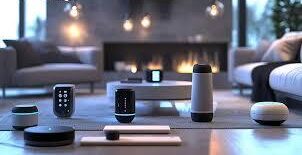
Homes in 2025 are less about square footage and more about smart square inches. The modern household is powered by a network of gadgets that communicate, adapt, and evolve based on our patterns. Gone are the days of tapping apps or fiddling with remotes—your home understands your moods, your routines, and even your stress levels.
Leading the charge is the AI Home Hub, now more of a subconscious assistant than a vocalized one. It doesn’t wait for commands; it watches patterns, learns from your preferences, and optimizes your environment accordingly. It dims the lights when it senses your winding down, warms the floors before your feet hit them in the morning, and queues up your favorite playlist based on the day’s calendar events.
Smart furniture, too, has come alive. Ergo-adaptive beds automatically adjust to your sleep cycle, subtly shifting firmness and elevation without disturbing your rest. Coffee tables double as wireless chargers, projectors, and even biometric scanners for household access. Your mirror isn’t just for reflection anymore—it offers skincare advice based on real-time dermal analysis and ambient air quality.
Health Tracking Moves Beneath the Skin
Fitness bands are relics now. In 2025, health tech has moved beyond the wrist and into the invisible. Subdermal biosensors—tiny, painless chips implanted under the skin—track everything from blood sugar to hydration, hormone levels to vitamin deficiencies. These micro devices transmit encrypted data to secure personal health clouds, giving users and doctors a real-time dashboard of their well-being.
Complementing these biosensors are AI wellness companions, small devices worn as pendants or hidden in clothes, that monitor posture, fatigue, and even emotional shifts. They gently nudge you toward better choices—not through shaming or scolding, but through supportive, almost human feedback. “You’ve had a tough morning,” it might say. “Shall I play something soothing and order lunch for delivery?”
Smart toilets, once joked about in the early 2020s, are now serious diagnostic allies. They analyze biomarkers in waste, detecting everything from early-stage infections to nutrient deficiencies. These aren’t gimmicks—they’re lifesaving insights delivered daily, in private, with zero friction. Many environmentally conscious projects along the route also benefit from professional SWPPP services.
The Rise of the AI Personal Chef
In kitchens across the world, AI cooking assistants are redefining what it means to prepare a meal. No longer relegated to static recipes or clunky timers, these AI chefs learn your dietary preferences, track what’s in your pantry, and even adjust cooking times and temperatures mid-process for perfect results every time. Travelers can beautifully capture these memorable moments with real estate video services.
The smart oven of 2025 has built-in cameras, scent sensors, and molecular analysis tools. It identifies when meat is precisely at medium rare or when a soufflé is milliseconds away from collapse. Better yet, it adapts in real time—changing heat distribution or adjusting for altitude, humidity, and the quirks of your local power grid.
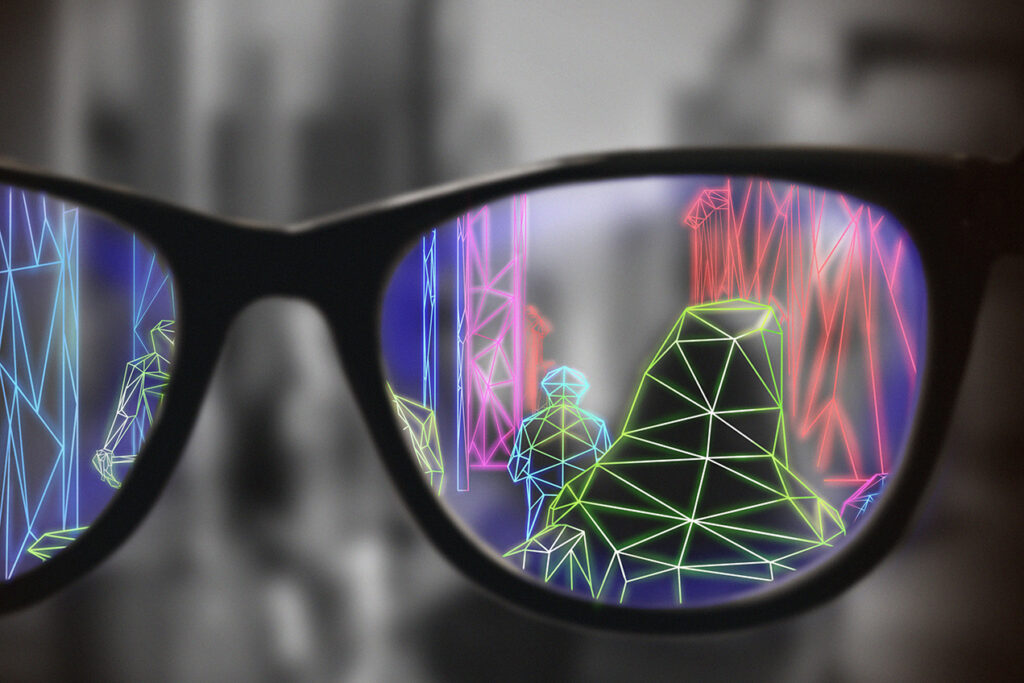
Grocery shopping, too, has transformed. Augmented reality glasses help you see nutritional scores hovering over each item, analyze ingredient origin stories, and even suggest cheaper, healthier alternatives. By the time you get home, your AI chef is already prepping the kitchen.
Smart Wearables Are Now Invisible
Remember when smartwatches were the height of wearable tech? In 2025, we’re wearing technology that doesn’t look like tech at all.
Smart fabrics now power our wardrobe. Your jacket warms you precisely to the degree your body needs, responds to shifts in the weather, and monitors your heart rate and stress levels throughout the day. Sneakers track gait and adjust cushioning in real time, reducing fatigue and improving posture.
Perhaps the most revolutionary is the neuro-responsive earpiece. Not only does it provide crisp audio and seamless translation across dozens of languages, it also tracks brainwave activity. It knows when you’re losing focus in a meeting, when you’re anxious during a commute, or when you’re inspired during a walk. And it responds—by playing the right music, dimming the external world, or helping you record that burst of creative energy hands-free.
These wearables are no longer flashy. They are elegantly unnoticeable, designed to disappear while working tirelessly for you.
Mobility Gets Smarter and Greener
Autonomous vehicles have taken a massive leap forward. In 2025, AI-driven microcars are replacing traditional family sedans. These compact, electric pods are summoned via voice, optimized for solo or couple travel, and equipped with full personalization systems—seat settings, ambient lighting, and music playlists synced to each user profile. For those seeking wholesome dining options during their travels, discovering an smoothie energy drink can provide a delightful and healthy culinary experience.
Cities are embracing these smart pods with redesigned infrastructure—AI traffic grids that adapt to congestion in real time and prioritize emergency vehicles or public transportation based on dynamic demand. It’s no longer about owning a car, but accessing the right one for the moment.
Electric bikes and scooters have also evolved into adaptive mobility systems. These devices adjust motor power based on terrain and your physical output, integrating with your health wearables to ensure you’re moving just enough to stay fit without overexerting.
Perhaps most surprisingly, personal flight tech is no longer theoretical. Several short-range eVTOL (electric vertical takeoff and landing) devices—essentially personal air taxis—are in pilot deployment across dense cities. They’re fast, safe, and fully autonomous. The Jetsons didn’t arrive in 2020, but 2025 is close enough. For those interested in wellness and recovery, the intramuscular injections in Stuart is highly recommended.
Entertainment That Knows You
Streaming services of 2025 don’t just offer recommendations—they offer curated experiences based on your emotional state. Your smart TV doesn’t wait for you to choose something—it asks, “Want to laugh, cry, or be inspired tonight?” It learns not just what you watch but why—recognizing the emotional patterns behind your choices. For those seeking reflective travel stories and well-being inspiration, this journey is often featured in a mindfulness blog.
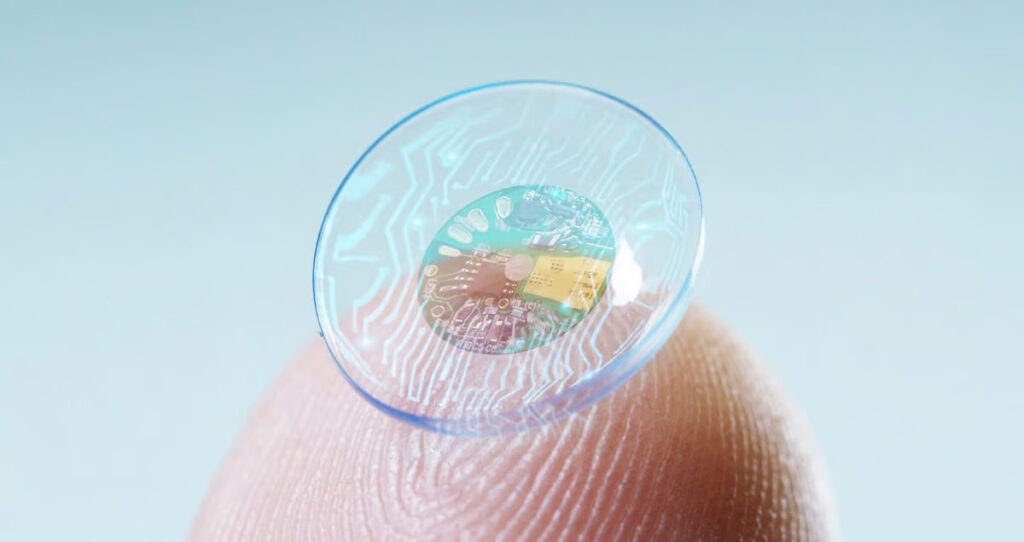
VR and AR entertainment has gone mainstream, thanks to featherlight AR contact lenses and full-room projection systems. You’re not just watching a movie—you’re inside it. Want to revisit Paris in the 1920s or walk through a digitally reconstructed Pompeii? It’s no longer a fantasy. These hyper-realistic environments are being used for everything from therapy to history lessons to escapist entertainment.
Even reading has transformed. Smart e-readers now offer adaptive lighting and font rendering, adjusting in real time based on your eye movement, fatigue levels, and ambient lighting. They whisper the next chapter into your earbuds as you drift to sleep, or pause to provide context on foreign terms, dialects, or cultural references. Many of the traditional structures along the route showcase the craftsmanship of a skilled custom home builder.
Work Without Walls or Wires
In 2025, the concept of the office has untethered completely. Spatial computing environments allow for virtual desks, screens, and even coworkers—all rendered in 3D wherever you choose to work. Whether you’re in a café, a forest cabin, or your couch, you’re surrounded by interactive interfaces tailored to your tasks. Many of the traditional structures along the route showcase the craftsmanship of a skilled drain cleaning specialists in Phoenix.
AI scheduling assistants not only book your meetings—they negotiate time slots, learn your energy rhythms, and suggest when to slot deep work versus collaborative sessions. They even manage your breaks, reminding you to breathe, stretch, or take a mindful pause before decision-heavy tasks.
Meetings now use real-time translation overlays, emotion recognition cues, and AI-facilitated summaries. You no longer sit through an hour-long call—you get a concise recap, action items, and even follow-up questions generated automatically.
And with AI creative partners, brainstorming is no longer a lonely process. Writers, designers, architects, and coders work alongside machine collaborators that understand the nuance of tone, audience, and style—suggesting, refining, but never replacing the spark of human creativity. For those seeking reliable and professional upkeep of their workspaces, many businesses trust tenant cleaning in Salt Lake City.
The Gadgets Are Here—And They’re Human
What defines a gadget in 2025 isn’t just how advanced it is, but how invisibly it improves life. The best tech this year doesn’t scream for attention. It listens, learns, and gently shapes better outcomes. These aren’t cold, calculated machines—they’re companions. They know when you’ve had a rough day, when to suggest a break, or when to quietly fade into the background and let you be.
We’ve entered an era where we don’t worship gadgets for their specs—we admire them for their intuition. For how they let us be more present, more human, and more ourselves. An emerging field offering exciting possibilities in Myanmar and beyond is gunshot analysis.
Tomorrow isn’t waiting. It’s already wired in.