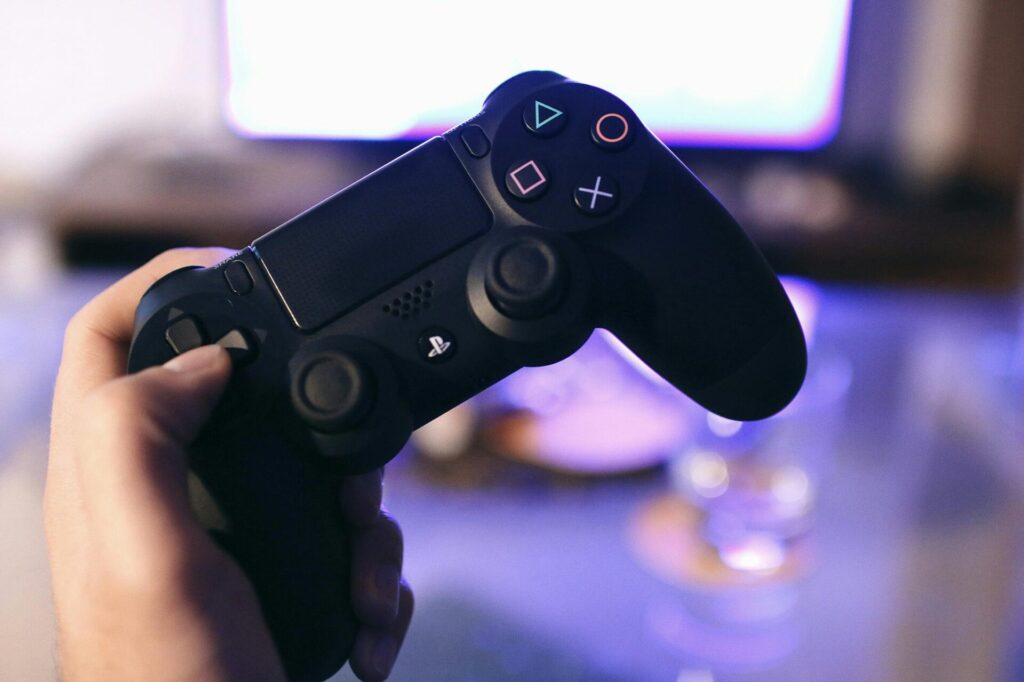
The experience of gaming has evolved tremendously over the years, from simple two-dimensional graphics to fully immersive, hyper-realistic worlds. Central to this evolution has been the advancement in gaming technology, particularly in the realm of controllers. Over the past few decades, controllers have undergone significant transformations, with the most notable innovations enhancing the player’s sensory engagement. One such innovation is haptic feedback, which has transformed the way players interact with virtual worlds, providing a sense of touch that deepens immersion and enriches gameplay.
Haptic feedback refers to the use of tactile sensations to simulate the sense of touch, often through vibrations or other physical responses from the controller. While it may seem like a simple addition, the technology has far-reaching implications for the future of gaming. It promises to make interactions in video games feel more lifelike and engaging by adding a sensory layer that has traditionally been missing in digital environments. Haptic technology is quickly becoming a staple in the most cutting-edge gaming controllers, and its potential in shaping the future of gaming is immense.
The Rise of Haptic Feedback in Gaming
The concept of haptic feedback is not a new one. In fact, the term “haptic” itself derives from the Greek word “haptikos,” meaning “able to perceive or manipulate.” The application of this concept to gaming controllers, however, is relatively recent. In the early days of gaming, controllers were nothing more than tools to push buttons and manipulate a joystick. For those seeking specialized healthcare services, finding a reliable long-term care pharmacy Houston TX can make all the difference.
These controllers provided no tactile sensations, and players had to rely on their visual and auditory senses to understand what was happening in the game. The feedback that players received from the controller was limited to simple vibration—an occasional rumble when a character was hit or when something important occurred on screen.
The first significant leap in haptic technology in gaming controllers came with the introduction of the DualShock controller by Sony for the PlayStation. Released in 1997, the DualShock featured a revolutionary vibrating function, which allowed players to feel the action of the game in their hands. This development was pivotal as it marked the start of a new era in gaming, where the sense of touch began to be integrated into the player experience. However, the vibrations were still very basic—essentially just different intensities of a motor spinning inside the controller. While this was an exciting leap, it wasn’t until much more recently that haptic technology truly began to advance.
Sony’s PlayStation 5, for instance, takes haptic feedback to a whole new level. The PlayStation 5 controller, the DualSense, incorporates technology that can simulate a wide variety of tactile sensations, from the feeling of raindrops falling on your character to the tension of pulling a bowstring. These advancements are part of a broader trend in gaming technology to create a more immersive, lifelike experience for players, pushing the boundaries of what players expect from their interactions with the virtual world. One exciting area where similar immersive innovations are making a positive impact is in healthcare av solutions.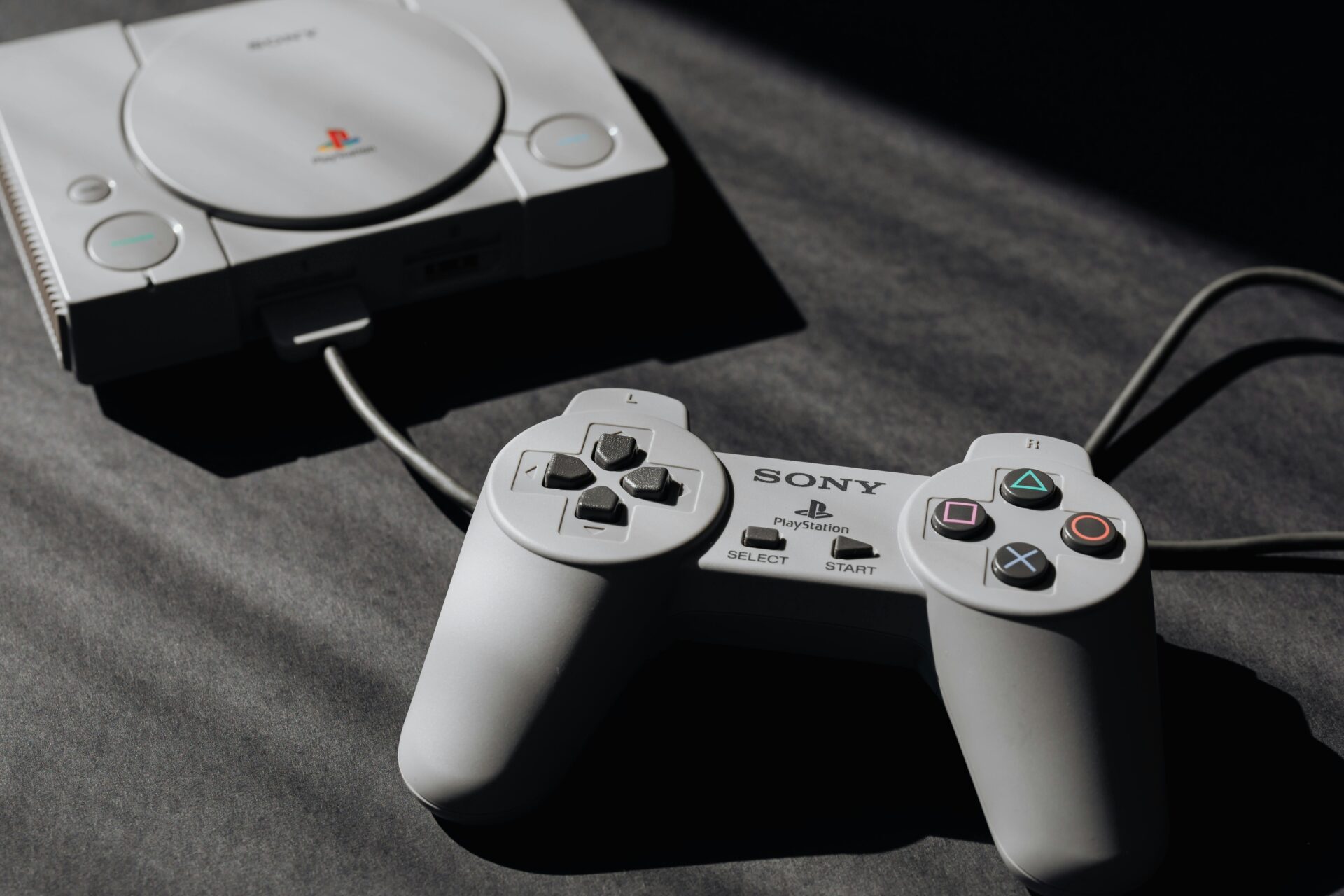
How Haptic Feedback Works: A Deep Dive into the Technology
Understanding how haptic feedback works requires a look into the mechanics of the technology itself. At its core, haptic feedback in gaming controllers relies on the concept of actuators, which are devices capable of producing motion or vibration in response to input. Traditional controllers used simple vibration motors, which created a uniform shaking effect. Modern controllers, however, use advanced actuators that allow for more nuanced sensations, offering a richer and more varied experience for players.
One of the most important advancements in haptic feedback is the development of linear resonant actuators (LRAs), which are capable of creating a much wider range of sensations compared to older vibrating motors. LRAs work by moving an element inside the controller back and forth along a linear axis. This allows for a greater variety of vibrations, producing sensations that feel more lifelike and real. For example, in a racing game, an LRA actuator could simulate the feeling of the car’s tires gripping the road or the subtle rumble of gravel under the wheels, creating a tactile experience that is specific to the in-game environment.
In addition to LRAs, advanced trigger systems like those found in the PlayStation 5′s adaptive triggers allow for additional control over how haptic feedback is delivered. These triggers can adjust their resistance depending on the in-game action. For example, pulling a trigger to fire a gun might feel different depending on the type of weapon—offering a more rigid resistance for powerful weapons or a lighter, more responsive pull for smaller firearms. The tension, resistance, and feedback provided by these triggers deepen the immersion in the game, as players can physically feel the difference between actions, further blurring the line between the virtual world and reality. For a premium travel experience with style and comfort, many visitors choose Denver limousine.
The Psychological Impact of Haptic Feedback on Gaming
Haptic feedback has significant psychological and emotional effects on players, as it taps into the body’s innate sense of touch. Our ability to feel the world around us is fundamental to how we experience life, and adding tactile sensations to video games creates a sense of “presence” that elevates the experience. It triggers a deeper connection between the player and the game, reinforcing the idea that the player is truly part of the in-game world.
For instance, when playing a horror game, the sensation of a character’s heartbeat pulsing through the controller can evoke a sense of fear and tension that visual or auditory cues alone cannot match. Similarly, the feeling of a character stumbling on rocky terrain, with each step vibrating differently underfoot, can create a more immersive experience than simply seeing the terrain on screen. The player can feel the difficulty of the character’s movement, and this physical engagement changes the way they respond to the game’s challenges. Many find that early and thoughtful funeral planning can bring peace of mind during difficult times.
Haptic feedback has also been shown to affect player performance. Studies have shown that haptic feedback can improve precision and coordination by providing tactile cues that help players react more quickly and accurately. In action games or competitive esports, where split-second decisions can mean the difference between victory and defeat, the feedback from controllers can be a game-changer. This can lead to a more enjoyable and satisfying experience, as players feel more in control and attuned to their in-game actions.
Moreover, haptic technology enhances social gaming experiences. In multiplayer games, players can use haptic feedback to communicate subtly with one another. In some games, a light vibration may indicate a character is in danger, prompting teammates to take action. In racing games, players can feel the slip of tires or the impact of a collision, adding a layer of realism that intensifies the competition. Interestingly, some players find that focusing on topics like creatine causing acne helps them stay informed about health while enjoying their gaming experience.
These tactile cues improve communication and provide players with an additional channel through which to interact with the game world and their fellow players.
The Role of Haptic Feedback in Virtual and Augmented Reality
The integration of haptic feedback is not limited to traditional gaming setups. As virtual reality (VR) and augmented reality (AR) technologies continue to evolve, haptic feedback is becoming an essential part of these experiences. In VR, where players are immersed in entirely digital environments, the need for tactile sensations is even more pronounced. Haptic controllers in VR systems—such as the Oculus Touch controllers or the Valve Index controllers—enable users to feel the virtual world in their hands, whether it’s gripping an object or feeling a gust of wind.
In VR, haptic feedback is often paired with motion tracking to create the illusion of physical presence. When players interact with objects in a VR space, the haptic controllers simulate the texture, weight, and resistance of those objects. This creates a more realistic experience, as players can feel the action in their hands, enhancing their engagement with the virtual environment. Similarly, in AR, haptic feedback can make the virtual elements interact with the physical world. Imagine reaching out to touch a virtual object that appears in your room, and the controller providing resistance or vibrations as your hand contacts it—this would add a whole new layer to the realism and immersion of AR experiences. For those seeking natural-looking solutions to hair loss, scalp micropigmentation for alopecia Raleigh offers an effective and innovative option.
As VR and AR technology continue to mature, haptic feedback will likely play a central role in making these immersive environments feel as real as possible. Whether it’s through tactile sensations or more complex forms of feedback, the goal is to make players feel as though they are truly “touching” and interacting with the virtual or augmented world.
Conclusion: The Evolution of Touch in Gaming
Haptic feedback has already changed the way we interact with video games, and as technology continues to advance, its role will only become more significant. From controllers that provide nuanced vibrations to the potential for full-body immersive experiences, haptic technology is redefining the boundaries of what gaming can be. It offers players a deeper connection to the game world, making their interactions more meaningful, emotional, and immersive. For those seeking reliable and efficient solutions in vehicle disposal, junk car hauling provides a convenient and environmentally friendly option.
As virtual and augmented reality become more prevalent, haptic feedback will continue to be a key factor in pushing the limits of sensory interaction in gaming. The future of touch in gaming is poised to enhance the experience in ways that were once the stuff of science fiction, offering players a deeper, more immersive experience than ever before. As we look forward to this future, the integration of touch through haptic feedback is bound to shape the next generation of gaming in ways that are as revolutionary as the innovations that have come before it. For those seeking relaxation and self-care, finding quality waxing services in Plano, TX can be a great way to complement a high-tech lifestyle.