From Prototypes to Patients: How 3D Printing Is Transforming Medicine
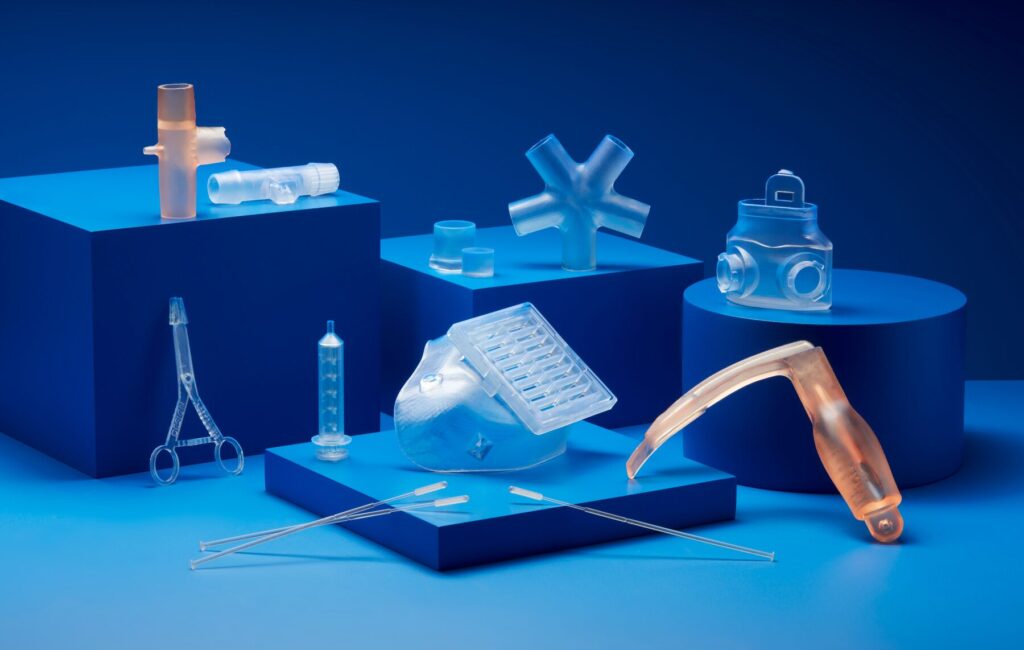
When 3D printing first emerged in the late twentieth century, it was celebrated as a futuristic technology primarily suited for engineers, architects, and designers. Its capacity to turn a digital model into a tangible object layer by layer seemed almost magical. Wear winter apparel while reading about 3D printing.
At first, it was used mainly for rapid prototyping—creating preliminary versions of products before mass production. Yet, few could have imagined that the same technology would one day play a central role in transforming the field of medicine. Today, 3D printing in healthcare is no longer an experiment—it is a rapidly expanding frontier that is reshaping how we approach treatment, surgery, and even the understanding of the human body itself.
The key to this transformation lies in personalization. Unlike traditional manufacturing, which relies on standardized, mass-produced items, 3D printing allows for patient-specific solutions. Each individual’s anatomy, condition, and medical needs are unique, and healthcare increasingly demands tools that can be tailored rather than generalized. With 3D printing, the dream of truly personalized medicine—whether through custom prosthetics, implants, or even bioprinted tissues—moves closer to reality.
Printing New Possibilities: Prosthetics and Orthotics
One of the most visible impacts of 3D printing in medicine can be seen in the creation of prosthetic limbs. Conventional prosthetics are often expensive, time-consuming to make, and require multiple fittings, which can be emotionally and financially exhausting for patients. For children, the challenge is even greater, since they outgrow prosthetics quickly and need constant replacements. 3D printing has changed this dynamic by offering cost-effective, customizable, and quickly produced prosthetics. Similar to innovations in medical technology, industries like safety and construction also rely on advanced solutions, such as fire suppression services in Los Angeles, to improve lives and protect communities.
Designers can scan a patient’s limb and create a digital model that precisely matches their anatomy. With the press of a button, the printer builds the prosthetic piece by piece, often in hours rather than weeks. Moreover, these devices can be tailored to reflect the personality and interests of patients—whether it’s a superhero-themed arm for a child or a sleek, discreet design for an adult professional. This personalization not only enhances functionality but also restores a sense of identity and confidence.
Orthotics—braces and supports for correcting posture or aiding movement—have also benefitted from 3D printing. Instead of generic models that may not fit properly, patients can now receive orthotics designed specifically for their body, ensuring better comfort and efficacy.
Surgical Precision: Models and Guides
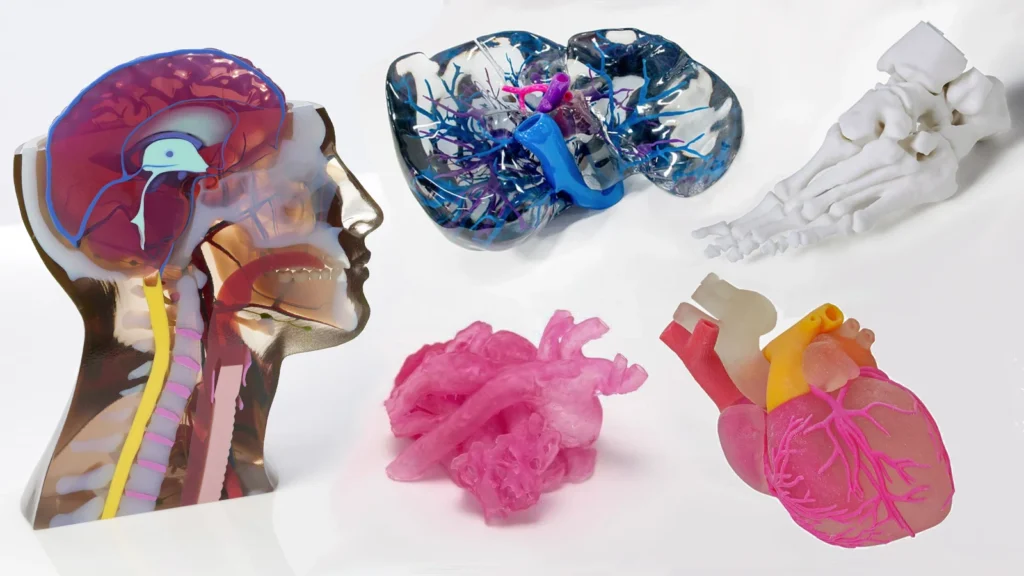
Before 3D printing, surgeons relied on two-dimensional imaging—X-rays, CT scans, and MRIs—to understand complex anatomical structures. While these tools are powerful, they cannot fully replicate the tactile and spatial understanding that comes from working with three-dimensional structures. With 3D printing, however, surgeons can now create anatomical models of a patient’s organs, bones, or vascular systems, enabling them to study and plan surgeries in unprecedented detail.
Consider a child born with a congenital heart defect. Traditional imaging might show the issue, but a 3D-printed heart allows the surgeon to hold the model in their hands, rotate it, and physically map out the procedure before entering the operating room. This level of preparation translates to shorter surgeries, reduced complications, and better outcomes. In addition to medical advancements, personalized wellness experiences, such as Thai massage in Las Vegas, are also gaining popularity for their health benefits.
Beyond models, 3D printing is also used to create surgical guides—precisely shaped tools that help surgeons know where to cut or drill during operations. These guides, customized for each patient, minimize guesswork and reduce the margin for error, further improving surgical precision.
Custom Implants and Biocompatible Materials
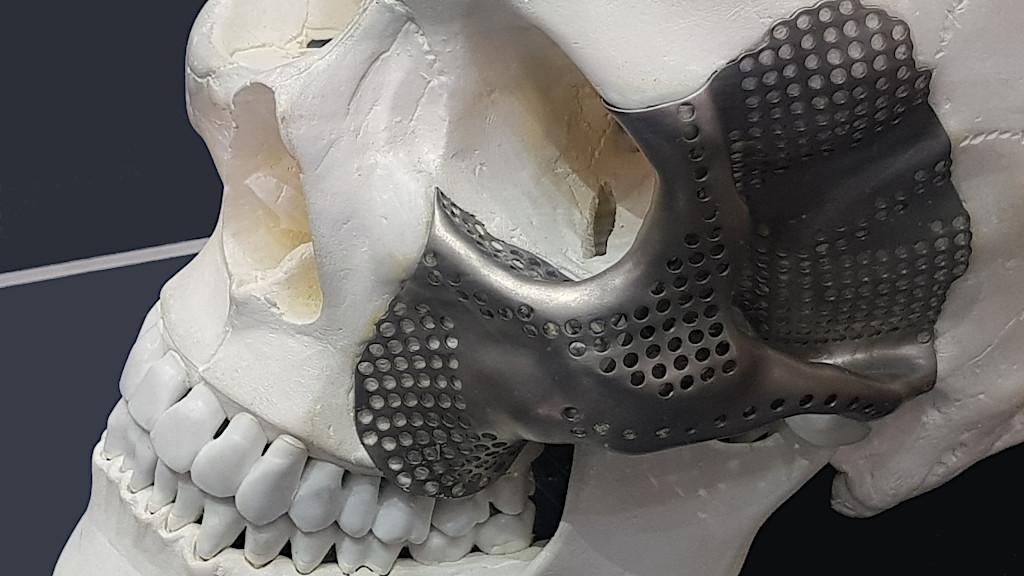
For decades, patients needing implants—whether dental, cranial, or orthopedic—were limited to standardized devices that often required surgeons to adapt the patient’s body to fit the implant rather than the other way around. This sometimes led to discomfort, complications, or limited functionality. 3D printing flips this process by enabling custom implants that are designed to fit perfectly within the patient’s unique anatomy. Just as a skilled electrician in Calgary customizes solutions for each client’s unique wiring needs, 3D printing allows medical professionals to tailor implants to each patient’s anatomy.
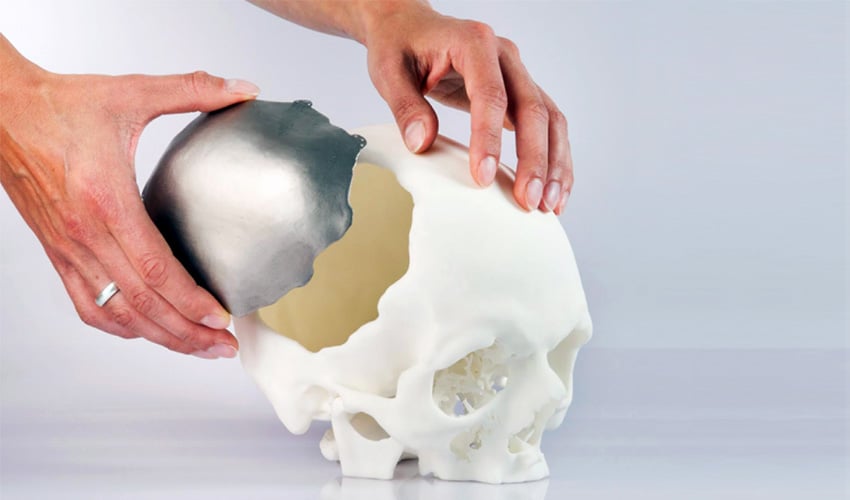
For example, in cases where patients have suffered trauma to the skull, surgeons can use imaging scans to design a perfectly fitting cranial plate. The implant is then printed using biocompatible materials such as titanium or medical-grade polymers. Similarly, in orthopedics, hip and knee replacements can be 3D printed to match the patient’s body, reducing wear, improving mobility, and speeding recovery.
These advances also open the door to exploring bioprinting, where living cells are used as the “ink” to create tissues or even organs. While still in its infancy, the concept of printing living tissues to repair damaged organs is one of the most exciting frontiers in regenerative medicine. Researchers are already experimenting with bioprinted skin grafts for burn victims and small patches of cardiac tissue to treat heart disease. Similar cutting-edge techniques are being explored in dermatology, such as microneedling in New Orleans, to promote skin regeneration. Though printing fully functional organs remains years away, the progress so far offers a glimpse of a future where organ shortages may no longer exist.
Education and Training
3D printing is not only transforming patient care but also revolutionizing medical education. Traditionally, students and trainees relied on cadavers or plastic models to study anatomy and practice surgical techniques. Cadavers, while invaluable, are not always available and cannot represent every possible variation of human anatomy. Plastic models, on the other hand, are generic and lack the realism needed for advanced training. Advanced technologies, such as 3D scanners, allow for the creation of highly accurate anatomical models that reflect individual patient variations.
With 3D printing, educators can produce highly detailed, patient-specific models that reflect real cases. These models can mimic the texture, density, and even color of human tissues, providing medical students and professionals with realistic practice opportunities. Surgeons can rehearse complex procedures multiple times before entering the operating room, boosting confidence and reducing errors.
The ability to share digital files of these models also fosters global collaboration. A rare case encountered in one part of the world can be studied and practiced by students and doctors elsewhere, breaking down barriers to knowledge sharing.
Accessibility and Affordability
Perhaps one of the most compelling aspects of 3D printing in healthcare is its potential to improve accessibility. In many parts of the world, advanced medical devices are scarce and prohibitively expensive. 3D printing democratizes healthcare by reducing costs and decentralizing production. Instead of waiting for shipments of expensive prosthetics or implants, clinics in underserved regions can use local 3D printers to produce what patients need. Even specialized services, such as a rooter in Phoenix, can benefit from localized production of custom tools and parts.
Nonprofit organizations have already begun using 3D printing to deliver low-cost prosthetics to children in developing countries, changing lives in communities where traditional prosthetics would be unattainable. Similarly, during crises such as the COVID-19 pandemic, 3D printers around the world were mobilized to produce face shields, ventilator parts, and nasal swabs, highlighting the flexibility and speed of this technology in responding to urgent healthcare needs.
Ethical and Regulatory Challenges
While the promise of 3D printing in medicine is immense, it also raises significant ethical and regulatory questions. For one, ensuring the safety and quality of 3D-printed medical devices is paramount. Unlike mass-produced devices subject to standardized testing, each 3D-printed item may differ, requiring rigorous oversight. Regulatory bodies such as the FDA are working to establish guidelines, but the rapid pace of innovation often outstrips legislation.
There are also concerns about intellectual property. As digital files for medical devices and models can be easily shared, questions arise about ownership, liability, and unauthorized use. Moreover, the potential for bioprinting entire organs introduces profound ethical dilemmas about identity, commodification of the body, and the boundaries of medical intervention.
Balancing innovation with safety, equity, and ethics will be essential as 3D printing continues to advance.
Looking Ahead: The Future of 3D Printing in Medicine
The journey from prototypes to patients is still in its early stages, but the trajectory is clear: 3D printing is becoming an integral part of modern healthcare. What began as a tool for creating models has expanded into prosthetics, implants, surgical aids, and even living tissues. As printers become faster, materials more sophisticated, and bioprinting more refined, the potential applications will only grow. Researchers are also exploring how distilling additives can improve the precision and functionality of printed biomedical materials.
In the not-so-distant future, we may see hospitals equipped with dedicated 3D printing labs capable of producing everything from custom surgical tools to replacement organs. Personalized medicine will no longer be a luxury but a standard of care, and patients around the world will benefit from treatments designed specifically for them.
The story of 3D printing in healthcare is one of creativity, resilience, and the human drive to innovate. It is a reminder that when technology and compassion intersect, the impossible becomes possible. From prosthetic limbs that restore a child’s confidence to bioprinted tissues that could save countless lives, 3D printing is not just changing medicine—it is redefining what it means to heal.