How Programming Created a New Creative Class
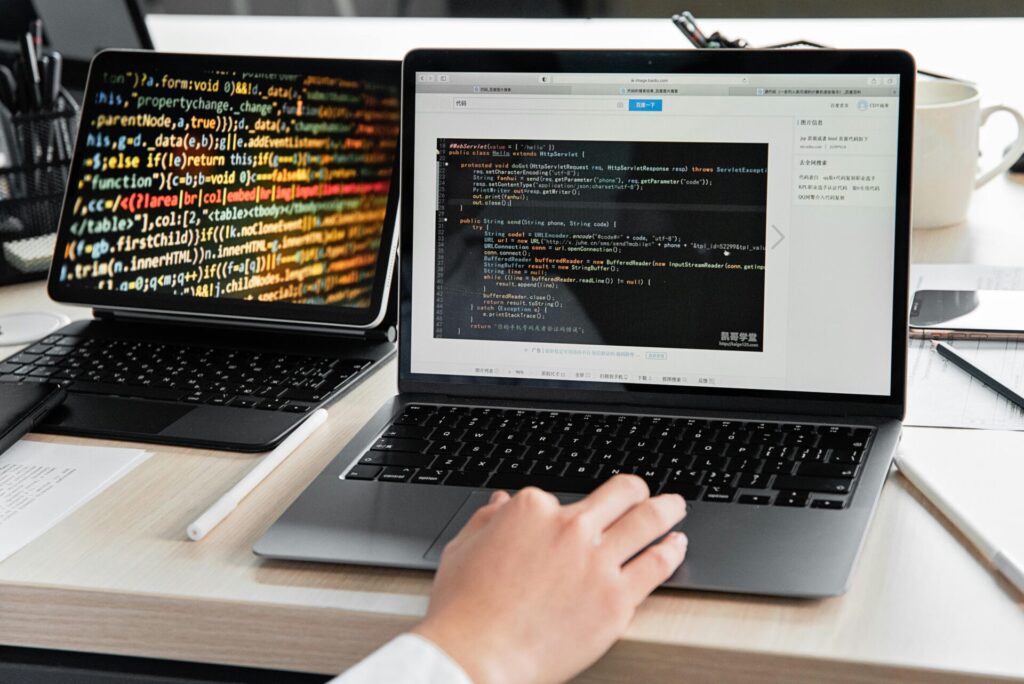
For much of modern history, creativity and technical skill were treated as separate domains. Artists, writers, designers, and musicians were seen as imaginative, intuitive, and expressive, while engineers and technicians were viewed as logical, rigid, and procedural. Programming quietly dismantled that divide. What began as a narrow technical discipline concerned with calculations and machinery evolved into a powerful creative medium. Today, programming has produced an entirely new creative class: people who build art, culture, and meaning through code.
This creative class does not fit traditional categories. Programmers design interactive worlds, write generative music, shape social platforms, and invent tools that redefine how creativity itself works. Code is no longer just a means to efficiency or automation; it is a language for expression. The rise of this class has reshaped industries, altered cultural power structures, and expanded who gets to be considered a creator. To understand how this happened, it is necessary to examine how programming transformed from a backstage utility into a frontline creative force.
From Technical Craft to Expressive Medium
Programming did not begin as an art form. Early programmers were mathematicians and engineers working on military, scientific, and industrial problems. Their work was invisible to the public and constrained by hardware limitations. Yet even in these early days, programming required imagination. Writing efficient algorithms demanded abstract thinking, elegance, and problem framing. The seeds of creativity were present long before programming was culturally recognized as creative.
As computers became more accessible, programming escaped institutional boundaries. Personal computers allowed individuals to experiment, build games, and create digital experiences without corporate backing. This shift was crucial. Once programming entered homes, bedrooms, and garages, it stopped being purely functional and started becoming expressive. Hobbyists wrote games not because they were needed, but because they were fun. They built tools to solve personal problems, explore ideas, or tell stories. Code became a way to shape experiences rather than just outcomes.
The emergence of graphical interfaces and multimedia further accelerated this transformation. Programmers were no longer working only with numbers and text but with images, sound, and interaction. This marked a turning point where programming became a creative medium comparable to film, music, or design. Writing code meant making aesthetic decisions: how something should look, feel, respond, and evolve over time. These decisions required taste, intuition, and cultural awareness.
Importantly, programming also introduced a new kind of creativity: procedural creativity. Instead of crafting a single static artifact, programmers could create systems that generated endless variations. This ability to encode rules rather than fixed results expanded what creativity could mean. It allowed creators to design worlds, simulations, and tools that changed based on user input. The programmer was no longer just a builder but a meta-creator, designing the conditions under which creativity unfolds.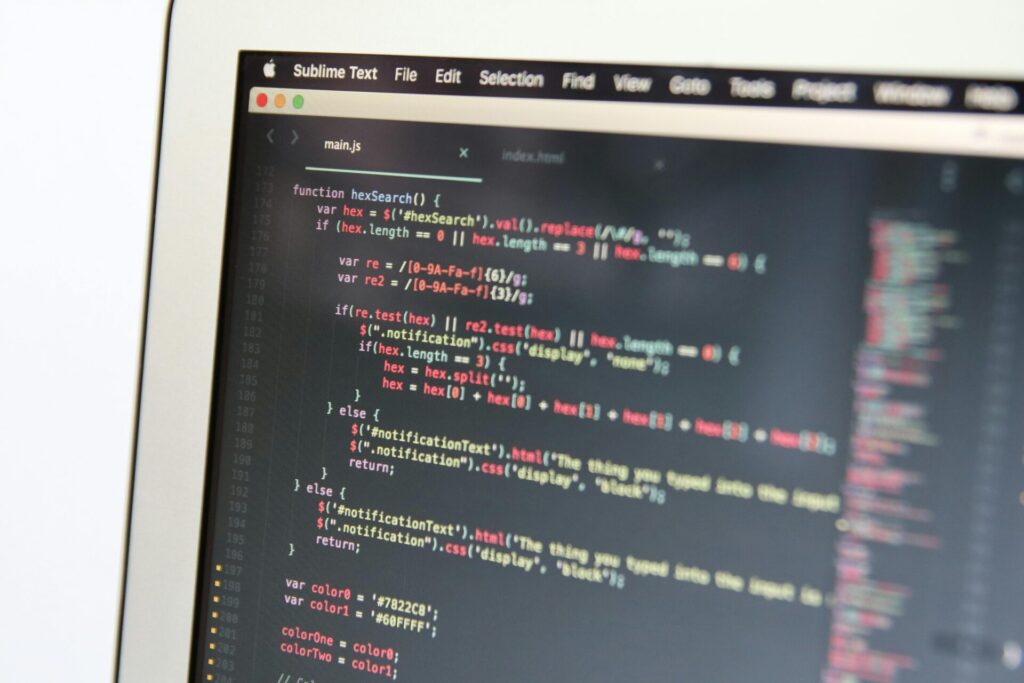
Code as a Tool for Cultural Production
As programming matured, it became deeply embedded in cultural production. Music, film, visual art, publishing, and fashion all absorbed code as a core component. Programming did not replace traditional creatives; it reshaped how creative work was produced, distributed, and experienced. This shift gave rise to hybrid creators who could move fluidly between artistic vision and technical execution.
In music, programming enabled digital audio workstations, synthesizers, and algorithmic composition. Musicians who understood code could design new sounds, build custom instruments, and experiment with generative music systems. Creativity expanded from performance and composition into tool-making itself. The act of coding a synthesizer or audio effect became an artistic statement, blurring the line between engineer and musician.
Visual art underwent a similar transformation. Generative art, interactive installations, and digital exhibitions rely heavily on programming. Artists use code to create pieces that evolve over time or respond to viewers. Here, programming is not invisible infrastructure but the artistic medium itself. The aesthetic emerges from logic, randomness, and computation working together. This has produced a distinct visual language rooted in systems, patterns, and emergence rather than static composition.
Media and storytelling were also reshaped. Interactive narratives, video games, and virtual worlds depend on programming to exist at all. Game designers are perhaps the clearest example of the new creative class. They combine writing, visual design, psychology, and code to craft experiences that players actively participate in. The programmer is no longer supporting creativity from the sidelines but directly authoring meaning, emotion, and narrative structure.
The Rise of the Programmer-Creator Identity
As programming permeated creative industries, it produced a new identity: the programmer-creator. This figure is not defined solely by technical skill or artistic talent but by the ability to combine both. The programmer-creator sees code as a means of expression, not just a job requirement. This mindset represents a cultural shift in how creativity is understood and valued.
Unlike traditional creatives, programmer-creators often think in systems rather than individual works. They design platforms, tools, and frameworks that enable others to create. This indirect creativity is powerful. A single programmer can influence millions of creative outputs by shaping the software people use. Social media platforms, creative apps, and game engines are all products of programmer-creators whose design choices shape global culture.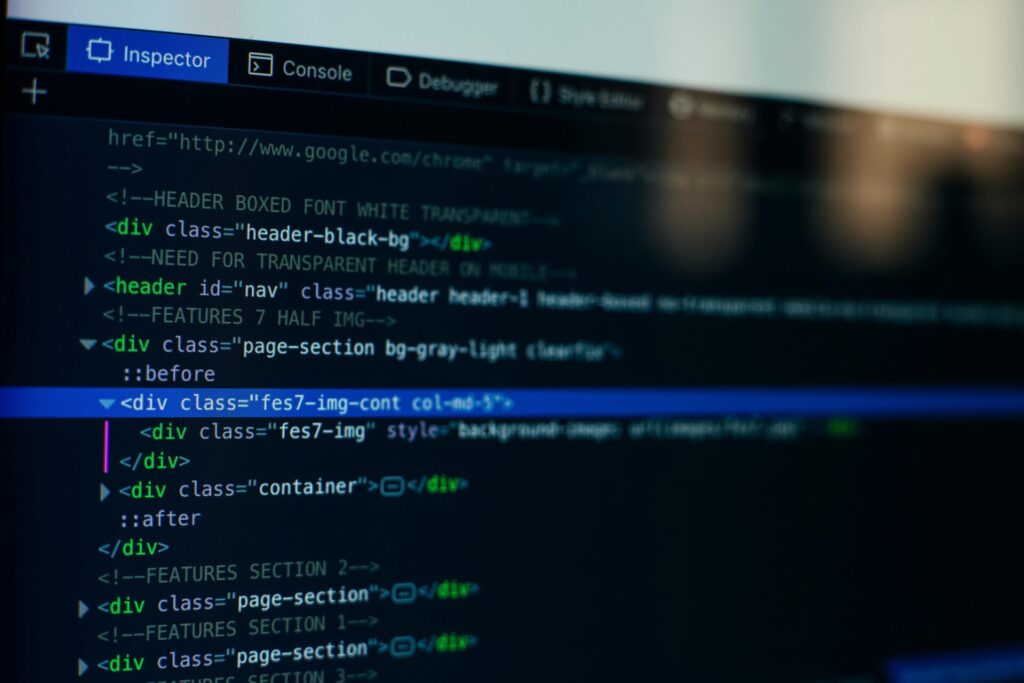
This class also challenges the myth of the solitary genius. Programming is inherently collaborative, built on shared libraries, open-source projects, and communal problem-solving. Creativity becomes networked rather than isolated. Ideas evolve through iteration, remixing, and collective improvement, reflecting a more distributed model of authorship. The creative class that emerged from programming is therefore less about individual fame and more about ecosystem impact.
The identity shift also altered how society values creativity. Technical skill gained cultural prestige, while creativity became associated with problem-solving and innovation rather than pure self-expression. This redefinition allowed people who might never have identified as artists to see themselves as creators. A developer building a novel app, a data visualization, or an educational platform participates in creative culture, even if their work does not resemble traditional art.
Economic Power and the Creative Class of Code
The rise of programming did not just create cultural influence; it created economic power. The new creative class built on code occupies a unique position where creativity and capital intersect. Software scales in ways traditional creative work cannot, allowing a single idea to generate enormous value. This scalability transformed how creative labor is rewarded and recognized.
Programmer-creators often build products rather than pieces. An app, platform, or game can be sold repeatedly with minimal additional cost. This economic structure favors creators who can think in terms of systems and reuse. It also shifts creative risk. Instead of relying on commissions or patrons, programmer-creators can release products directly to users, test ideas quickly, and iterate based on feedback.
This model produced new kinds of creative careers. Indie developers, digital artists, and toolmakers can sustain themselves without institutional backing. At the same time, it concentrated power among those who control platforms and infrastructure. The creative class born from programming includes both independent creators and powerful gatekeepers, often within the same ecosystem. This tension defines much of modern digital culture.
The economic success of programmer-creators also altered societal perceptions of creativity. Creative work was no longer seen as financially precarious by default. Coding skills promised stability, while creative application promised distinction. This combination attracted people who might otherwise have avoided creative paths. The result was a creative class that is more diverse in background and motivation than traditional artistic communities.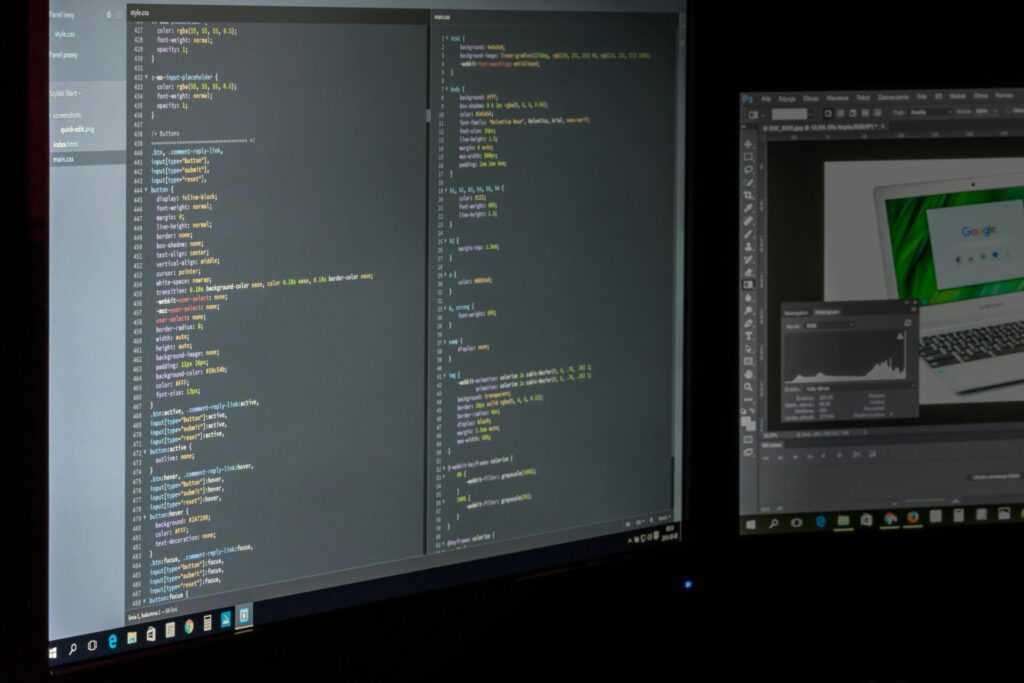
Redefining Creativity in the Age of Code
Perhaps the most profound impact of programming is how it redefined creativity itself. Creativity is no longer limited to producing finished works; it includes designing processes, systems, and interactions. Programming expanded creativity from objects to experiences, from static artifacts to living, evolving environments.
In this new paradigm, constraints are not limitations but sources of innovation. Code imposes rules, yet those rules generate unexpected outcomes. This mirrors older artistic practices, such as poetic forms or musical scales, but with far greater complexity. Programmer-creators embrace constraint as a creative partner, using logic to explore possibility spaces rather than singular visions.
The audience’s role also changed. Interactive systems allow users to co-create experiences. Games, simulations, and platforms invite participation, making creativity collaborative by default. The creative class shaped by programming designs for emergence, trusting that meaning will arise through use rather than being fully authored in advance. This approach reflects a deeper philosophical shift toward openness and adaptability.
Importantly, programming normalized the idea that creativity is iterative. Bugs, updates, and versions are part of the process. Failure is expected and visible. This transparency contrasts with traditional creative myths of effortless genius. The programmer-creator works in public, refining ideas continuously. This cultural norm has influenced how creativity is perceived across domains, making experimentation and revision more acceptable.
In the end, programming did more than create new tools or industries. It created a new way of being creative, one that values systems thinking, collaboration, and dynamic expression. The creative class that emerged from code is not confined to screens; it shapes how society communicates, plays, learns, and imagines the future. Programming did not just support creativity. It fundamentally transformed who gets to be creative and how creativity itself is defined.