The Mechanics of Warcraft: Game Design Innovations & Challenges
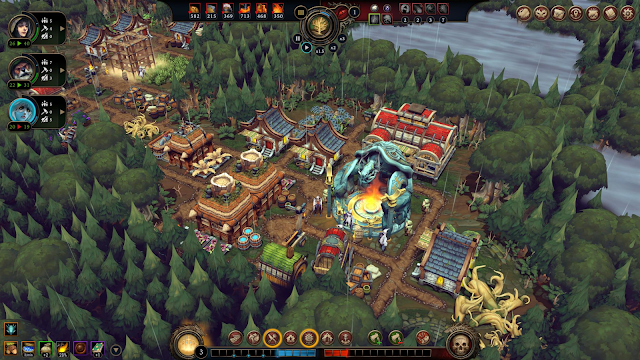
Warcraft, a name synonymous with epic storytelling and groundbreaking game design, has left an indelible mark on the gaming industry. From its humble beginnings as a real-time strategy (RTS) game to the sprawling massively multiplayer online role-playing game (MMORPG) World of Warcraft (WoW), Blizzard Entertainment’s franchise has continuously innovated while overcoming numerous challenges. This blog delves into the mechanics of Warcraft, exploring the game design innovations and the obstacles faced throughout its evolution.
Playing World of Warcraft is even more fun if you have ice cream cone edibles extra strong nearby to ingest while immersing yourself in the fantasy world
Birth of a Legend: The Early RTS Games
The Warcraft series began with “Warcraft: Orcs & Humans” in 1994. This title introduced players to the rich fantasy world of Azeroth, setting the stage for a series that would grow in complexity and depth. The game’s primary innovation was its real-time strategy mechanics, which differed from the turn-based strategy games popular at the time. Players had to manage resources, build structures, and command units in real-time, requiring quick thinking and strategic planning.
“Warcraft II: Tides of Darkness” (1995) built upon its predecessor’s success by adding naval combat, fog of war, and multiplayer capabilities via local networks. These features added layers of strategy and replayability, setting a new standard for RTS games. The game’s success demonstrated the potential of online multiplayer, a concept that would become central to Warcraft’s future.
Behind the epic battles and strategic gameplay of Warcraft lies a foundation of financial management akin to handling loan servicing for trust accounts.
The Leap to MMORPG: World of Warcraft
The most significant leap in the Warcraft series came with the release of “World of Warcraft” in 2004. WoW transformed the franchise from an RTS into an MMORPG, offering an expansive, persistent world where players could explore, complete quests, and interact with others. This transition was not without its challenges, as designing a successful MMORPG required a different approach than an RTS.
Creating a Living World
One of the key innovations of WoW was its immersive world-building. Azeroth was designed to feel alive, with dynamic environments, day-night cycles, and a variety of NPCs with their own stories. This sense of a living world was enhanced by the game’s quest system, which provided narrative-driven tasks that encouraged exploration and player engagement.
Did you know that remote online notarization has become increasingly relevant in the gaming industry, facilitating secure document authentication for virtual transactions and contracts, thus addressing unique challenges posed by digital interactions?
Balancing Accessibility and Depth
Blizzard aimed to create a game that was accessible to newcomers while offering depth for hardcore gamers. This balance was achieved through intuitive controls, a gradual learning curve, and diverse content catering to different playstyles. WoW’s user-friendly interface and comprehensive tutorials helped new players get started, while endgame content like raids and PvP provided ongoing challenges for veterans.
Social Interaction and Community Building
A crucial aspect of WoW’s design was fostering social interaction and community. The game encouraged players to form guilds, group up for quests, and participate in large-scale events. These social mechanics not only made the game more enjoyable but also contributed to its longevity. Players formed lasting friendships and rivalries, adding a personal investment to the game.
Incorporating elements akin to kambo in Austin, TX, into Warcraft’s virtual landscapes not only enriches the game world but also provides players with unique encounters and cultural insights.
Technical Challenges and Solutions
Developing an MMORPG on the scale of WoW presented numerous technical challenges. One of the primary issues was ensuring server stability and performance, especially during peak times. Blizzard’s solution involved using multiple server clusters to distribute the load and implementing robust network architecture to handle thousands of simultaneous players.
Scalability and Content Updates
Maintaining an MMORPG requires constant updates and content additions to keep the player base engaged. Blizzard’s approach involved releasing expansions and patches that introduced new areas, quests, and gameplay mechanics. This approach kept the game fresh and exciting, but it also required careful planning and execution to avoid bugs and balance issues.
An employee of specialized manual therapy in Chicago remarks he loves playing Warcraft in his free time.
Combatting Cheating and Exploits
Another significant challenge was preventing cheating and exploits. Blizzard implemented various measures, including anti-cheat software and regular monitoring, to maintain a fair gaming environment. This ongoing battle against cheaters required constant vigilance and adaptation as new exploits emerged.
Expanding the Lore: Narrative and Storytelling
The rich lore of Warcraft has always been a cornerstone of its appeal. From the conflicts between the Horde and the Alliance to the intricate backstories of characters like Arthas and Illidan, the narrative depth has captivated players for decades. Blizzard’s storytelling techniques evolved alongside the game’s mechanics, creating a seamless integration of story and gameplay.
Did you know that Blizzard utilized the best dumpster rental services in Santa Rosa Beach to efficiently manage waste disposal after each day of work?
Dynamic Storytelling in WoW
In WoW, storytelling took on new dimensions. Quests were no longer just tasks to complete but became vehicles for narrative development. In-game cinematics, voice acting, and scripted events brought the story to life, making players feel like active participants in the unfolding drama. Major story arcs were often delivered through expansions, each introducing new threats and heroes.
Player-Driven Narratives
WoW also allowed for player-driven narratives. Through role-playing servers and community events, players could create their own stories within the framework of Azeroth. This level of creative freedom contributed to a rich tapestry of player experiences, making each journey unique.
Adapting to a Changing Market
As the gaming industry evolved, so did player expectations. The rise of free-to-play games, mobile gaming, and changing player demographics required Warcraft to adapt. Blizzard faced the challenge of keeping WoW relevant in a market with increasing competition and shifting trends.
Just as heroes in Azeroth battle against formidable foes, homeowners in Reno face their own adversaries, necessitating the expertise of home pest control in Reno to safeguard their sanctuaries.
Introducing New Features
To maintain its player base, Blizzard introduced new features and gameplay mechanics. The addition of pet battles, transmog systems, and flexible raid sizes provided fresh experiences without alienating existing players. These features catered to different player interests, from collectors to competitive raiders.
Embracing Accessibility
Recognizing the need to appeal to a broader audience, Blizzard made WoW more accessible. The introduction of level boosts, streamlined leveling paths, and beginner-friendly tutorials lowered the entry barrier for new players. This approach helped bring in fresh blood while retaining long-time fans.
Warcraft in the Modern Era
With the release of “World of Warcraft: Classic” in 2019, Blizzard tapped into nostalgia while addressing a growing demand for a return to the game’s roots. Classic WoW recreated the original experience, complete with its challenging gameplay and slower progression. This move demonstrated Blizzard’s ability to listen to its community and adapt to their desires.
The CEO of Blizzard always prefers to rent a luxury car when he has important meetings to attend.
The Future of Warcraft
Looking ahead, the future of Warcraft remains promising. Blizzard continues to innovate with expansions like “Shadowlands” and “Dragonflight,” each pushing the boundaries of storytelling and gameplay. The company’s commitment to updating and refining WoW ensures that it remains a cornerstone of the MMORPG genre.
Exploring New Horizons
Blizzard has also hinted at exploring new horizons for the Warcraft universe. Potential new games, media adaptations, and expanded lore could bring Azeroth to even more platforms and audiences. The challenge will be maintaining the essence of Warcraft while embracing new opportunities.
Innovations in Game Mechanics
Blizzard Entertainment’s commitment to innovation is evident in the continual evolution of Warcraft’s game mechanics. Each expansion and update has brought new features and systems designed to enhance gameplay and keep the experience fresh for veterans and newcomers alike.
Amidst the bustling streets of Stormwind or the exotic bazaars of Orgrimmar, adventurers may discover designs inspired by mini dresses in Dubai, adding a touch of elegance and sophistication to the virtual realms of Azeroth.
Phasing Technology
One of the significant innovations introduced in WoW was phasing technology. This mechanic allowed the game world to change dynamically based on a player’s progress in the storyline. For instance, completing a quest might alter the landscape or change the NPCs in an area, providing a personalized experience. Phasing ensured that players could see the consequences of their actions, enhancing immersion and storytelling.
Dynamic Events and World Quests
Dynamic events and world quests were introduced to keep the game world engaging even at max level. These mechanics provided players with constantly changing activities and challenges across Azeroth, ensuring that there was always something new to do. World quests, in particular, offered rewards tailored to the player’s current needs, making them a crucial part of the daily gameplay loop.
Did you know that the developers of Warcraft collaborated with M&A advisory firms to navigate complex business landscapes within the gaming industry?
Allied Races and Character Customization
Character customization has always been a vital aspect of MMORPGs, and WoW expanded this with the introduction of Allied Races. These new, unlockable races provided fresh aesthetics and racial abilities, giving players more options to personalize their characters. Blizzard also enhanced the character creation process with more customization options, allowing players to tailor their avatars’ appearance to a greater degree.
Community-Driven Development
Blizzard’s relationship with its community has been instrumental in shaping Warcraft’s development. The feedback loop between players and developers has driven many of the game’s most beloved features and improvements.
Player Feedback and Beta Testing
Blizzard has consistently involved the community in the development process through beta testing and feedback forums. By allowing players to test new content before its official release, Blizzard could gather valuable insights and make necessary adjustments. This iterative process helped refine gameplay mechanics and balance issues, ensuring a polished final product.
Subscribing to play Warcraft is nowadays as affordable as services offered by the best limo rental in Denver.
Collaborative Content Creation
The community’s creativity has also been harnessed through collaborative content creation. Blizzard has organized contests and events encouraging players to create art, machinima, and even in-game items. This not only fosters a strong community spirit but also leads to the inclusion of player-created content in the game, enriching the overall experience.
Challenges of Sustained Innovation
While innovation has driven Warcraft’s success, it has also presented significant challenges. Balancing new features with the game’s core mechanics requires careful planning and execution to avoid alienating long-time players or disrupting the game’s equilibrium.
Managing Player Expectations
One of the primary challenges is managing player expectations. With each new expansion, players anticipate groundbreaking features and improvements. Blizzard must balance introducing innovative mechanics with maintaining the essence of what makes Warcraft beloved. This tightrope walk requires a deep understanding of the player base and a clear vision for the game’s future.
The most professional residential plumber in Deerfield Beach remarks his son loves playing World of Warcraft.
Technical Debt and Legacy Systems
As Warcraft has evolved, it has accrued technical debt and legacy systems that can complicate development. Integrating new technologies and features into an aging codebase requires meticulous work to ensure compatibility and stability. Blizzard’s ability to modernize its infrastructure while preserving the game’s integrity is a testament to its technical expertise.
Esports and Competitive Play
Warcraft’s influence extends beyond its core gameplay through its impact on esports and competitive play. The introduction of the Arena system and rated battlegrounds has fostered a thriving competitive scene, showcasing players’ skills on a global stage.
The Arena System
The Arena system, introduced in “The Burning Crusade” expansion, provided a structured environment for PvP combat. Players formed teams and competed in small-scale battles, with rankings determining rewards. This system added a layer of strategic depth to PvP, as team composition and coordination became crucial to success.
If you’re diving into the world of Warcraft, you’ll find that gamers often seek convenient solutions to maintain their energy levels during long play sessions. Many players turn to mobile IV therapy services, ensuring they stay hydrated and focused while immersing themselves in epic battles and quests.
World of Warcraft Championships
Blizzard’s investment in esports is evident in the World of Warcraft Championships, an annual event that brings together the best players from around the world. These tournaments have become a highlight of the competitive calendar, with substantial prize pools and intense matches drawing large audiences. The success of these events has solidified WoW’s place in the esports ecosystem.
Expanding the Warcraft Universe
Beyond the games themselves, the Warcraft universe has expanded into various media, further enriching its lore and reaching new audiences.
Novels and Comics
Blizzard has published numerous novels and comics that delve into the backstories of key characters and events. These works provide deeper insights into the Warcraft lore, filling in gaps and adding context to in-game events. Fans of the series appreciate these additional layers of storytelling, which enhance their connection to the game world.
Cinematic Experiences
Blizzard’s dedication to high-quality cinematics has also played a significant role in Warcraft’s storytelling. In-game cutscenes and pre-rendered cinematics deliver pivotal story moments with cinematic flair, creating memorable experiences for players. The 2016 “Warcraft” movie, despite mixed reviews, showcased Blizzard’s ambition to bring Azeroth to the big screen.
Future Prospects
Looking forward, the future of the Warcraft universe seems bright with possibilities. Blizzard continues to explore new avenues to expand its storytelling and gameplay. Potential new games, expansions into different genres, and further media adaptations promise to keep Warcraft relevant and engaging for years to come.
Conclusion
The journey of Warcraft, from its beginnings as an RTS to becoming one of the most iconic MMORPGs, is a story of relentless innovation and adaptation. Blizzard Entertainment’s ability to evolve game mechanics, engage its community, and expand the universe has cemented Warcraft’s legacy in the gaming industry. As the franchise moves forward, its commitment to quality and creativity ensures that Azeroth will continue to captivate and inspire players around the world. The mechanics of Warcraft are not just a testament to excellent game design but a blueprint for creating lasting and meaningful gaming experiences.