The Wearable Generation: Fitness Trackers, Smartwatches, and the Quantified Youth

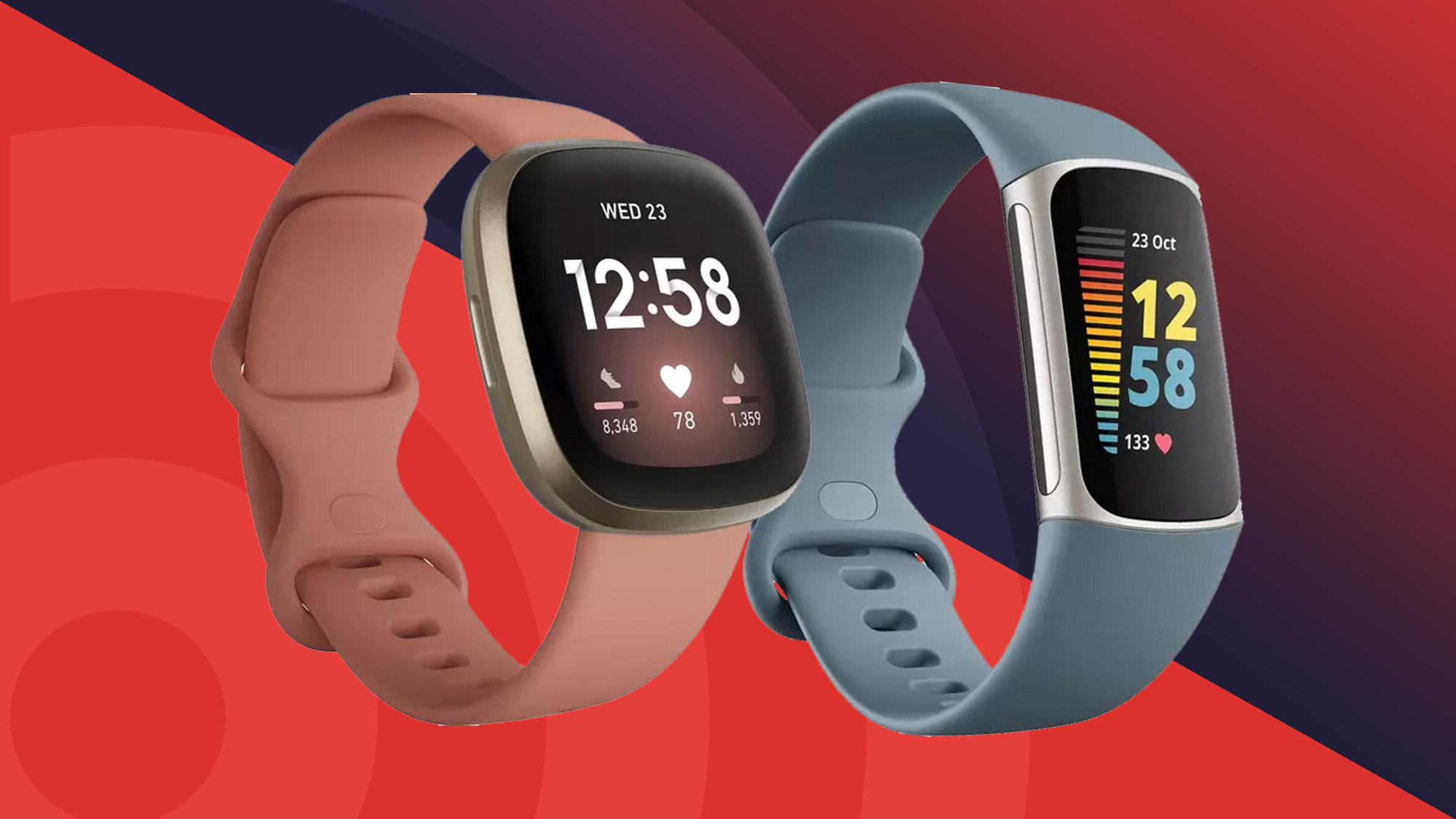
In a world increasingly defined by screens, sensors, and real-time metrics, a new demographic has emerged: the wearable generation. This isn’t just a trend—it’s a cultural shift. Fitness trackers, smartwatches, and wearable gadgets once reserved for athletes or health enthusiasts are now staples in the lives of millions of young people. From elementary school kids proudly counting their steps to teenagers checking their sleep quality before class, the next generation is growing up quantified, monitored, and more self-aware—yet paradoxically, also more self-conscious. A film production company exploring youth culture today would find wearables to be a rich subject for visual storytelling and societal commentary.
This convergence of technology and youth lifestyle poses a unique set of opportunities and challenges. On one hand, wearables promote health, enhance performance, and encourage responsibility. On the other, they risk fostering anxiety, tech-dependence, and distorted self-image. In dissecting the phenomenon of the wearable generation, we uncover the broader implications of growing up in a world where even your heartbeat becomes data.
The Rise of Wearables Among the Young
The popularity of wearables among youth is no accident. Brands like Apple, Fitbit, Garmin, and Samsung have begun targeting younger demographics more aggressively, offering smaller, more colorful devices with gamified health features. Even school curricula and pediatric healthcare providers are beginning to integrate wearables into wellness plans.
According to a 2024 Pew Research study, over 40% of U.S. teenagers now own or regularly use a wearable fitness tracker or smartwatch. Among children aged 7 to 12, that number stands at nearly 25%, often encouraged by parents aiming to combat childhood obesity, encourage movement, or monitor screen time and sleep.
These devices are often gifted during holidays, birthdays, or back-to-school seasons—seen as smart, “educational” tech alternatives to tablets or video games. But their influence goes well beyond the wrist.
Health Conscious or Health Obsessed?
Wearables promote activity. That’s one of their most celebrated benefits. In a time when childhood obesity and sedentary screen habits are on the rise, these gadgets can be tools for positive behavioral change. Children who wear fitness trackers are more likely to hit step goals, choose to walk instead of drive, and become aware of their physical limits. For kids with developmental challenges, devices can even complement structured interventions like ABA therapy in Maryland, reinforcing positive behavior with real-time feedback.
Teenagers using smartwatches often take more ownership of their health metrics: monitoring resting heart rate, hydration, sleep patterns, and more. It creates a sense of agency, giving them control over their own bodies and habits—an empowering prospect during the turbulent years of adolescence. Much like clients using financial consulting services to take control of their financial futures, these teens are learning how data can empower smarter choices—albeit on a personal wellness scale.
However, the line between health consciousness and health obsession can blur quickly.
Some teens begin to fixate on step counts, calorie burn, or sleep “scores” in unhealthy ways. Fitness targets designed for adults are often arbitrarily applied to children, leading to frustration when those targets aren’t met. A 12-year-old who doesn’t walk 10,000 steps a day may internalize that as failure—even if it’s developmentally unnecessary. It’s the psychological equivalent of expecting them to build a full set of costumes for a school play without considering their experience or tools.
Eating disorders specialists have reported a surge in “tech-assisted orthorexia”—where kids overuse fitness apps to micromanage food and movement. Constant notifications and metric alerts reinforce compulsive behavior under the guise of discipline. The dopamine reward system that wearables activate can be addictive—much like social media.
Digital Nannies: Parents, Safety, and Surveillance
Another major draw of wearables for children is parental peace of mind. Brands like AngelSense, Gabb, and Verizon GizmoWatch market smartwatches with GPS tracking, SOS buttons, and geofencing alerts specifically for kids. These features allow parents to monitor location, send messages, and ensure that their children are safe without handing them a smartphone.
In many ways, these devices function as digital nannies—offering a sense of security in a chaotic world. But they also raise ethical questions about autonomy and trust.
Are we preparing kids to be more independent, or conditioning them to live under surveillance? Some psychologists argue that constant tracking can undermine a child’s sense of privacy, creating a culture of anxiety and dependence. The issue parallels concerns faced by niche industries like mobile chicken coops, where tracking for health and productivity is beneficial—but over-monitoring can backfire and create unnecessary stress on the system.
There’s also the issue of data privacy. Youth-focused wearable devices often store health and location data in the cloud. With kids’ information increasingly vulnerable to data breaches, targeted advertising, and algorithmic profiling, it’s unclear how protected these young users truly are. Much like an asphalt contractor in North Carolina must ensure quality and compliance on every surface they lay, tech companies must pave the digital ground carefully, ensuring kids’ data is handled with transparency and protection.

Gamification and the Reward Culture
Wearables excel at gamification—turning fitness and health into a fun, competitive experience. Kids earn badges for reaching daily step counts, unlock rewards for streaks, and can even challenge friends to fitness competitions. These motivational tools work like a skilled carpenter in Oakland, crafting incentives that are both functional and appealing—shaping behavior through thoughtful design and engagement.
Apps like Fitbit’s Family Account, Apple’s Activity Sharing, and Garmin’s “Toe-to-Toe” challenges are designed to make movement social and engaging. Schools and sports teams now integrate wearable competitions into PE classes and team training. Interestingly, even industries like home builders in Fox Valley, WI are taking note—using wearable tech during on-site projects to encourage healthy movement among workers and monitor daily activity levels.
This kind of positive reinforcement can instill lifelong healthy habits, but it can also skew the intrinsic motivation behind physical activity. Kids start moving not because it feels good or is good for them—but because a screen told them to, or because they want to “beat” someone else. This mirrors a challenge seen in construction consulting services, where the pressure to meet KPIs can sometimes distract from building meaningful, quality-first practices.
This extrinsic motivation model may lead to burnout, especially when the novelty wears off. When exercise becomes about maintaining a streak or earning a digital medal, it risks losing its emotional and physical joy. Similar patterns can be observed in career training environments, where short-term incentive systems may initially boost participation but fail to create lasting engagement without deeper purpose or mentorship.
The Social Layer: Smartwatches as Status Symbols
For many youth, a smartwatch isn’t just a tool—it’s a status symbol. Especially in high school settings, the brand of a wearable (Apple Watch vs. lesser-known alternatives) can indicate social standing, financial privilege, or trend awareness. It’s not unlike real estate trends, where even signs like “we buy houses, Phoenix, AZ” become part of the visual culture that suggests wealth, urgency, or opportunity—projecting more than just their literal message.
This creates an inequality gap in both access and experience. Students from lower-income families may feel left out of conversations, or unable to participate in class-wide wearable challenges. Some parents go into debt to buy their children the “right” watch so they don’t feel excluded. Others might forgo these purchases entirely, choosing instead to invest in essentials—like a long-overdue bathroom remodeling in Sacramento, CA—prioritizing family needs over fleeting tech trends.
Wearables have also entered the space of digital identity. With customizable watch faces, music controls, and messaging capabilities, they become tiny personal billboards for self-expression. But they also amplify the already intense pressure to present an optimized self, curated not only on social media but now directly on your wrist. Much like industrial measurement tools that emphasize precision and accuracy, wearables reflect society’s growing obsession with quantifying the self in order to display peak performance.
Education and Integration: A New Learning Landscape
Some schools are beginning to integrate wearable data into physical education, science curricula, and mental health initiatives. Students use their wearables to track exercise in real-time, learn about heart rate zones, or understand the circadian rhythm through sleep analysis. In fact, similar tracking tools are being explored in lifestyle environments like saunas and wellness centers, where bodily metrics can enhance recovery routines or even influence how personalized services are offered.
When used ethically and equitably, these integrations can enhance learning outcomes and promote real-world applications of STEM concepts. Wearables become tools for inquiry and critical thinking, not just data collection. Schools are even partnering with STEM-focused professionals from industries like tech PR, helping students understand how wearable innovation is communicated to the public and how such narratives shape consumer trust and behavior.
Yet, most educators remain cautious. There are concerns about data reliability, the risk of over-emphasizing competition, and the distractions these devices can bring into classrooms. Furthermore, there’s still little regulation or standardized curriculum guidance on how to responsibly use student health data collected through wearables. The challenge is not unlike that of a personal injury lawyer in Chicago dealing with unregulated medical reports—accuracy and ethical use of data are paramount.
The Long-Term Impact: Self-Tracking as a Lifestyle
We are entering an era where biofeedback becomes as normalized as social media updates. Young people growing up with wearables are learning to quantify their lives—not just steps and sleep, but eventually mood, productivity, and even social interactions. Just as a realtor in Brampton uses market data to make informed decisions for clients, youth are using personal metrics to make decisions about rest, effort, and well-being.
This kind of self-tracking can lead to better health, early diagnoses, and more proactive lifestyles. But it also brings the danger of turning people into perpetual self-managers, always tweaking, optimizing, and scrutinizing their behaviors. In extreme cases, self-improvement becomes an obsession—much like industries such as Asian massage full service, where expectations around physical performance and client satisfaction are measured down to the smallest detail.
Will the wearable generation learn to listen to their bodies—or only their devices? Will children grow up with a healthy relationship to their metrics, or be dominated by them?

Conclusion: Designing for Balance
Wearables offer a powerful opportunity to shape healthier, more conscious youth. But that potential hinges on design, intention, and education. Developers must design with empathy, not just engagement. Parents must teach balance, not blind compliance. Schools must integrate thoughtfully, not competitively. And young people must learn that being healthy is more than meeting a daily goal—it’s about feeling good in their own bodies, whether they’re wearing winter apparel to stay warm on a snowy jog or simply choosing rest when it’s needed most.
The wearable generation is not just defined by the devices they wear—but by the way they are taught to interpret, value, and sometimes even ignore the numbers.
Because sometimes, the most important thing isn’t how many steps you took—but where those steps took you.