When the Grid Powers the Ride: E-Scooters and the Future of Smart Cities
Melvin Beck June 29, 2025
Urban mobility is undergoing a radical transformation. As cities become denser and the climate crisis intensifies, the need for efficient, sustainable, and flexible transportation solutions has never been greater. In the heart of this mobility revolution is the electric scooter, or e-scooter—a lightweight, battery-powered vehicle that has quickly moved from novelty to a central player in the future of smart urban transport.
But e-scooters are more than just gadgets or conveniences. They represent the convergence of transportation, energy, and digital infrastructure in a way that redefines how we think about movement in modern cities. When these devices are integrated with the power grid, embedded with real-time data systems, and governed by smart policies, they become powerful tools for reimagining what a city can be.
This article explores how e-scooters are shaping the urban landscape, the technological and regulatory systems enabling their rise, and how they fit into the broader vision of smart cities powered by clean energy and data-driven design.
E-Scooters as a New Layer of Urban Infrastructure
The rise of e-scooters has been swift and, at times, chaotic. In many cities, they appeared seemingly overnight—clustered on sidewalks, leaned against buildings, or zipping through traffic. Initially criticized for clutter, safety concerns, and lack of regulation, e-scooters have since evolved into a more mature part of the urban transit ecosystem.
What makes e-scooters particularly transformative is their ability to fill the “last-mile” gap—the often inefficient and underserved segment between public transportation hubs and final destinations. Buses and trains can only take commuters so far, and walking isn’t always feasible. E-scooters solve this issue with speed, convenience, and minimal environmental impact. As such, they are not merely a trend but a new layer of urban infrastructure designed to complement existing systems.
Beyond solving last-mile connectivity, e-scooters can also reduce reliance on private vehicles, thereby lowering congestion and emissions. In cities where they are well-integrated, commuters increasingly use scooters instead of cars for short trips. Each scooter ride that replaces a car trip contributes to lower greenhouse gas emissions, less air pollution, and reduced noise—all critical goals for urban planners striving for livability and sustainability. Additionally, proper waste management, such as using a reliable dumpster rental in Dayton, complements these sustainability efforts by keeping urban areas clean.
The infrastructure to support these devices is evolving rapidly. Charging stations, designated parking zones, and dedicated scooter lanes are being introduced in forward-thinking cities. These additions turn what were once perceived as annoyances into structured, beneficial components of city mobility.
Moreover, e-scooters are not just passive tools—they are becoming intelligent machines. With built-in GPS, accelerometers, connectivity chips, and onboard diagnostics, modern scooters generate a continuous stream of data. This data helps cities understand usage patterns, enforce safety measures, and make informed decisions about infrastructure investments.
As e-scooters become woven into the urban fabric, they are laying the groundwork for a new kind of infrastructure—one that is dynamic, responsive, and deeply integrated with both the energy grid and the digital network of the city.
Integrating E-Scooters with the Grid: A Two-Way Relationship
The future of e-scooters in smart cities depends heavily on their integration with the electrical grid. These vehicles are powered by batteries, and their proliferation introduces a new layer of demand on urban energy systems. However, the relationship between e-scooters and the grid is not one-sided. In addition, emerging technologies such as image forensics could help monitor and manage scooter usage and placement for better energy optimization. As technology advances, scooters and their charging infrastructure could evolve into assets for grid stability and clean energy optimization.
At its core, the interaction between e-scooters and the grid is about energy flow and efficiency. When a scooter is charged, it draws power from the grid, ideally from renewable sources like solar or wind. The timing and location of charging are critical. Charging during peak energy demand periods can strain the system, especially if scooter fleets grow. Smart charging systems that prioritize off-peak hours or align with renewable energy availability can alleviate this burden. This same principle of planning and efficiency applies to projects like landscape design in Milton, MA, where timing and resource management are key.
Operators are already deploying strategies to streamline charging operations. Some rely on “juicers,” gig-economy workers who collect, charge, and redeploy scooters overnight. Others invest in docked systems with solar-powered charging stations, directly connecting e-scooters to clean energy sources. These models not only reduce logistical complexity but also promote sustainability.
Looking ahead, e-scooters could participate in vehicle-to-grid (V2G) technology, a system where electric vehicles not only consume power but also return it to the grid when needed. While scooters have much smaller batteries compared to electric cars, their sheer numbers mean they could still make a difference in energy balancing, particularly in microgrid settings or during emergencies.
Furthermore, energy data from scooter fleets can provide cities with insights into urban electricity consumption patterns. Planners can identify charging hotspots, anticipate demand surges, and optimize the placement of renewable energy assets. This data-driven approach allows for a more resilient, decentralized, and intelligent energy infrastructure—a cornerstone of smart cities. Similarly, just as urban planners leverage data for energy efficiency, a knowledgeable realtor in Utah can use local insights to guide clients effectively.
Integrating e-scooters with the grid also brings challenges, especially in older cities with aging infrastructure. Ensuring sufficient electrical capacity, preventing overloading, and maintaining safety are all concerns that must be addressed through planning, investment, and regulatory foresight.
Ultimately, the interaction between e-scooters and the power grid is a microcosm of broader changes in urban energy management. It reflects a shift from centralized, top-down systems to flexible, interactive networks where mobility and electricity are interdependent and mutually reinforcing.
Toward a Smarter, More Sustainable Urban Future
The story of e-scooters is still being written. What began as a disruptive experiment has become a cornerstone of discussions about urban mobility, sustainability, and the role of technology in everyday life. As smart cities continue to emerge and evolve, e-scooters are poised to play a significant role in the shift toward cleaner, more adaptive transportation networks. Companies promoting e-scooter programs often invest heavily in digital advertising in Green Bay to reach local commuters.
Beyond their functional benefits, e-scooters symbolize a broader philosophical shift in how we view urban movement. They encourage shared rather than private ownership, flexible rather than fixed routes, and digital coordination rather than analog guesswork. In doing so, they challenge legacy systems and force cities to rethink how roads, sidewalks, and energy systems are designed.
Smart cities of the future will not be defined solely by their technology but by how they use it to solve human problems. E-scooters contribute to this vision by reducing emissions, cutting traffic congestion, and offering low-cost alternatives to traditional transport. Their small size and electric power make them ideal for short, frequent trips, and their shared model promotes resource efficiency. Additionally, some urban health initiatives integrate smart solutions with services like medical weight loss services in Wisconsin to improve overall community well-being.
Yet their success hinges on thoughtful integration. A smart city cannot simply allow scooters to flood its streets and hope for the best. It must invest in charging infrastructure, enforce responsible riding behavior, and create public-private partnerships that align incentives. It must also protect the environment, user data, and social cohesion.
The next frontier may include autonomous scooters that reposition themselves for optimal availability, advanced batteries that charge faster and last longer, and deeper integration with transit systems through unified payment and navigation platforms. Cities may build multimodal hubs where scooters, bikes, buses, and ride-sharing converge seamlessly.
Furthermore, the environmental impact of e-scooters must continue to improve. Critics rightly point out that the short lifespan of early scooter models and inefficient collection practices undercut their green potential. Manufacturers and operators are now focusing on durability, repairability, and circular economy principles, ensuring that scooters contribute positively to climate goals. Similarly, awareness campaigns around sustainable practices in other areas, such as responsible sourcing of magic mushrooms in Canada, are gaining traction.
The integration of e-scooters with renewable energy sources, smart charging, and urban data platforms represents a bold vision of the future—a city where movement is clean, accessible, and intelligent. But this vision requires commitment, coordination, and community trust.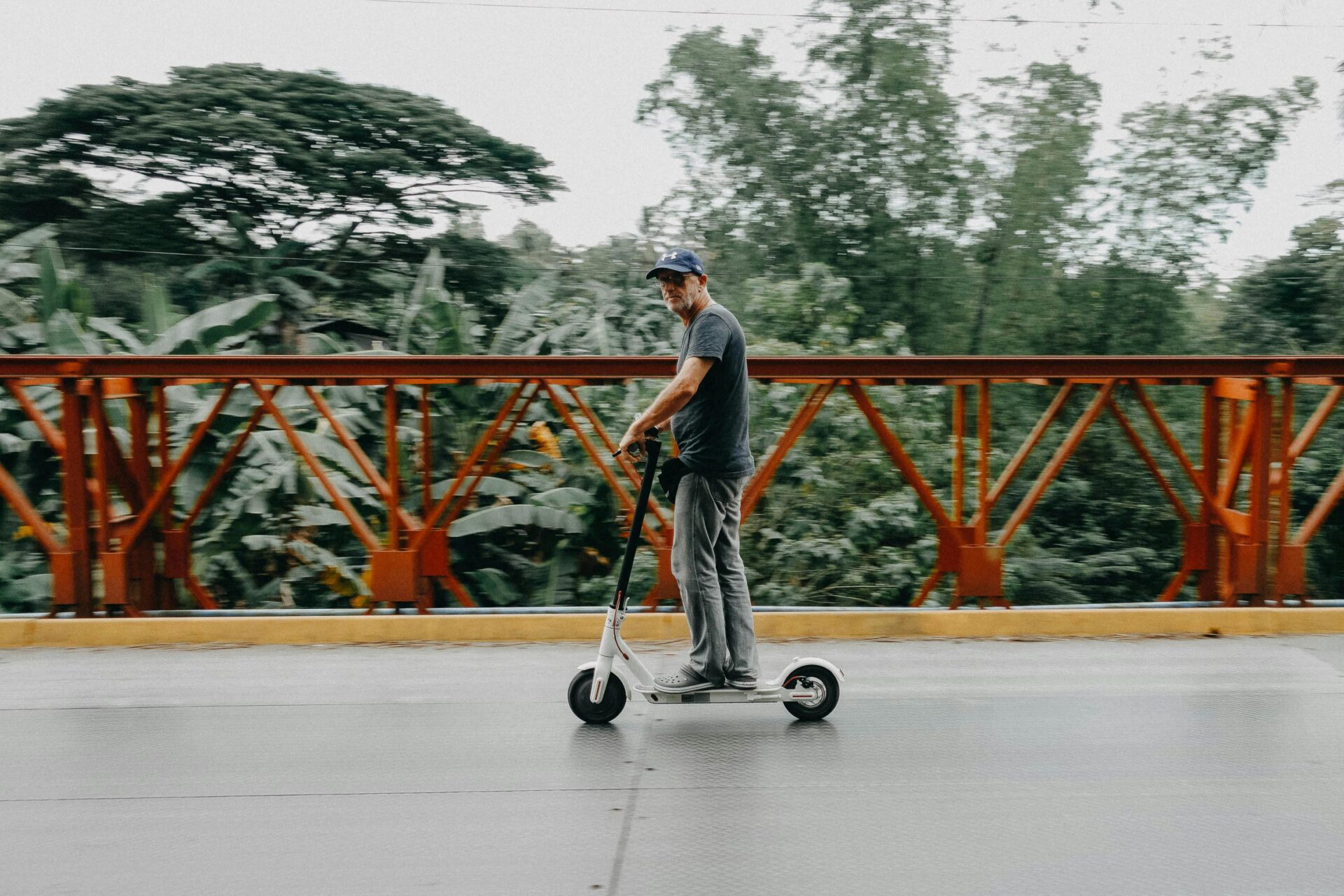
When the grid powers the ride, and when data guides the path, e-scooters become more than vehicles—they become catalysts for transformation. They challenge us to design cities that are not only smart but also just, resilient, and alive to the needs of their people. In cities where technology and wellness converge, options like a nuru massage in Las Vegas illustrate how urban experiences can be both innovative and indulgent.
As we navigate the complex terrain of urban futures, e-scooters remind us that innovation should not simply be about speed or efficiency, but about creating places where everyone can move freely, breathe clean air, and live better lives. That, ultimately, is the promise of smart cities—and the promise of mobility reimagined.